
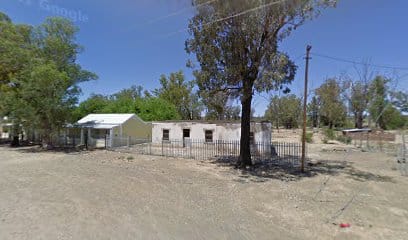
Jansenville Boeresake is a Agricultural cooperative establishment in Jansenville, Eastern Cape, South Africa
Jansenville
Eastern Cape
South Africa
Sorry, no records were found. Please adjust your search criteria and try again.
Sorry, unable to load the Maps API.
Agricultural Cooperative Services in Jansenville, Eastern Cape
Jansenville, set within the Eastern Cape’s agricultural heartland, hosts a range of cooperative arrangements designed to support farming communities. These cooperatives typically bring together small-scale and commercial farmers to share resources, access inputs, and improve negotiating power within regional markets. The services offered are rooted in practical aims: to stabilise supply chains, reduce costs, and foster knowledge exchange among members and local stakeholders.
Core services commonly provided by agricultural cooperatives in Jansenville include input provision and bulk purchasing. Farmers may gain access to seeds, fertilisers, animal feed, and basic farming implements through collective buying arrangements. By pooling demand, cooperatives can negotiate more favourable terms with suppliers and distribute purchases over a wider network of members. Some cooperatives also organise seed trials or demonstrations to help members evaluate varieties suited to the local climate and soil conditions, supporting risk management and adaptation to changing weather patterns.
Another pillar is machinery and equipment sharing. Members may benefit from sharing tractors, planting and harvesting equipment, and other essential tools. This approach helps reduce capital expenditure and increases productivity, particularly for smallholdings that cannot justify owning a full fleet of machinery. Access is usually organised through a scheduling system or on a rotational basis, with maintenance and repairs managed collectively to ensure equipment remains reliable during peak farming periods.
Marketing and product aggregation form a further important strand. Cooperatives offer a platform for members to bring product to market collectively, improving bargaining power and expanding access to buyers. This can involve aggregation of produce for sale at local outlets, through nearby cooperatives, or for distribution to larger regional markets. In addition, cooperatives may provide guidance on post-harvest handling, packaging, and basic quality control to help ensure consistency across the collective range of products.
Technical and extension services are often available through these organisations. Members can access agronomic advice, pest and disease management support, soil testing referrals, and weather information. Some cooperatives organise training sessions on best practices for soil fertility, irrigation scheduling, and sustainable farming methods. The emphasis is on practical, field-based knowledge that is directly applicable to Jansenville’s semi-arid climate and the Eastern Cape’s varied topography.
Financial and risk management services may also feature in a cooperative’s offerings. Members might be able to obtain micro-finance facilities, savings schemes, or credit facilities linked to input purchases or marketing activities. Additionally, cooperatives frequently provide guidance on record-keeping, budgeting, and compliance with local regulations, helping farmers navigate licensing, permits, or quality standards that influence access to markets.
Practical considerations for engaging with agricultural cooperatives in Jansenville include governance, transparency, and member participation. Typically, elected committees or boards oversee operations, with general meetings offering a platform for decision-making and vote-based influence. Clear rules regarding member eligibility, equity contributions, and profit distribution help establish trust and accountability. It is important to understand how savings and profits are allocated, how funds are reinvested, and what support services are prioritised during difficult seasons.
Local context matters when assessing cooperative services. The Eastern Cape’s agricultural profile includes sheep farming, poultry, crop production, and livestock management, along with seasonal rainfall variability. Cooperative activity tends to be community-oriented, prioritising resilience, job retention, and local knowledge sharing. Members should consider proximity to supply chains, accessibility of markets, and the reliability of transport links when evaluating potential benefits. The cooperative model, when well governed and actively engaged, offers a practical route to lower inputs, shared equipment, and collaborative market access in Jansenville’s dynamic farming environment.
Typical service overview
- Bulk input purchasing (seeds, fertilisers, feeds)
- Equipment sharing and maintenance coordination
- Product aggregation and marketing support
- Agronomic advice and extension services
- Post-harvest handling guidance and basic quality control
- Training and capacity-building sessions
- Financial guidance, micro-finance access, and record-keeping support