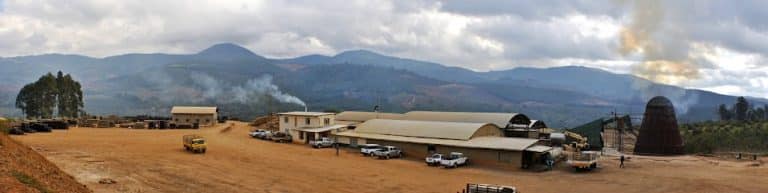
Timberg Quality Timber is a Wood supplier establishment in Tzaneen, Limpopo, South Africa
Timberg Quality Timber: Wood Supplier in Tzaneen, Limpopo
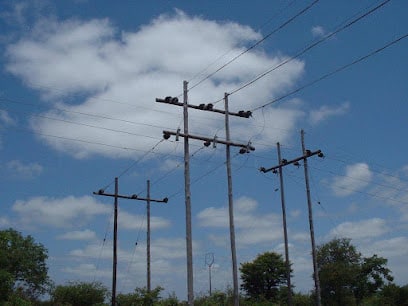
Timberg Quality Timber is a notable supplier specialising in treated wooden poles, with a focus on eucalyptus poles used for overhead transmission and telephone lines. The business serves a broad spectrum of customers across the South African market, including electrical contractors, power utility companies, municipalities, retailers and farmers. The core offering centres on robust, treated timber that supports infrastructure and agricultural projects, alongside associated expertise in pre-sales support and timely delivery.
The company identifies its primary product category as transmission and utility poles, manufactured to meet a suite of recognised standards. Timberg’s poles are produced in lengths ranging from 1 to 24 metres, with a minimum top diameter typically between 32 and 300 mm. Treatments available include creosote or CCA, with specified impregnation and penetration characteristics designed to enhance durability in outdoor applications. The product data highlights controlled marking (aluminium plates bearing ACT and SANS logos) and a focus on preserving sapwood depth and preservative retention to ensure performance in harsh environments.
Quality assurance and certification are emphasised as a cornerstone of Timberg’s operation. The company reports adherence to SANS754, SANS457-3 and SANS1288, along with ISO 9001:2015 accreditation. This combination signals a structured quality management approach, validated through independent standards and testing regimes. The business also mentions access for client representatives or third-party validation, noting that certification and quality processes can be demonstrated via customer visits to the factory, with potential involvement from bodies such as SGS if required.
Timberg maintains a dedicated transport fleet, including trucks equipped with cranes, enabling the delivery of poles up to 22 metres in length to both local and export customers. A distinctly global dimension is presented through export activity to several African countries (Botswana, Mozambique, Tanzania, Kenya, Malawi, Zambia, Namibia) and additional markets including Ethiopia, Madagascar, the DRC, Lesotho, Angola, Europe and the Middle East. This logistical capability is coupled with a logistics team capable of coordinating efficient road, rail, cross-border and international shipments, underscoring the company’s capacity to manage complex delivery requirements.
Beyond the primary product, Timberg offers merchandising enhancements such as pole caps, drilling, colour coding, wire binding, and slant cuts, reflecting an end-to-end approach from manufacturing through to practical field use. The company’s branding and identification practices are integrated into the product, with standardised marking and documentation designed to support traceability and compliance on site.
Customer experience, as reflected in visitor feedback, appears to be shaped by the company’s reliability and scope. Review snippets indicate engagement with Timberg and delivery capabilities over a period of time, with positive remarks across multiple ratings. The presence of a dedicated team and attention to both local and export customers suggests a service level oriented toward consistent performance and logistical coordination, even amidst the challenges that can accompany large-scale timber supply and cross-border shipments.
Typical job types and applications
- Overhead transmission and distribution line installations requiring durable wooden poles.
- Telephone and communication line support structures.
- Building, fencing and agricultural installations that leverage treated timber poles.
- Projects involving long-span poles and customised lengths (up to 24 metres) for specific field requirements.
How requests usually work
Timberg presents a formal path from inquiry to delivery, beginning with pre-sales engagement, followed by a quotation and then on-time delivery. The company’s export and domestic delivery capabilities are supported by a logistics framework designed to manage cross-border and domestic transport efficiently. The emphasis on certifications and the ability to verify processes at the factory through client representatives indicate a transparent approach to quality and compliance in response to customer needs.
Practical tips for customers
- Identify project length requirements early (1–24 metres) and specify the top diameter needs (32–300 mm) to ensure precise pole selection.
- Consider treatment type (creosote or CCA) in relation to environmental exposure and local regulations regarding timber preservatives.
- Ask about marking and documentation, ensuring aluminium plate branding and relevant SANS logos are present for traceability.
- Discuss delivery timelines and logistics well in advance, particularly for long poles and cross-border shipments, to align with project schedules.
- If possible, arrange a factory visit to review certification status and quality processes in person, with optional third-party validation if required.
Location and area served
Timberg operates from its facility in Tzaneen, Limpopo, and maintains a broader service footprint across South Africa with a substantial export reach into multiple neighbouring countries and beyond. Local customers in Limpopo and adjacent regions can benefit from the company’s dedicated transport fleet and extensive supplier network.
Practical contact details
General phone lines and email are listed for inquiries, including standard contact outlets and a company address for the Timberg office and factory. The business maintains a presence online with access to further information and a quotation request portal.
Tzaneen
Limpopo
South Africa
Sorry, no records were found. Please adjust your search criteria and try again.
Sorry, unable to load the Maps API.
Wood Supplier Services in Tzaneen, Limpopo
In Tzaneen and the surrounding Limpopo region, wood suppliers provide a range of products and services tailored to builders, carpenters, landscapers, and home improvers. The landscape combines urban markets with rural supply chains, ensuring access to both common timber stock and speciality woods. Customers can expect a practical mix of material sales, processing options, and logistical support designed to keep projects moving smoothly.
Core offerings typically include sawn timber in various dimensions, including softwood and hardwood varieties suitable for structural frames, flooring, and joinery. Suppliers often stock decking boards, fencing panels, and timber for fencing toppers, as well as sheets of plywood and oriented strand board (OSB) for sheathing and packaging. Other frequently available products include wooden beams, fencing rails, pallet stock, and timbers for agricultural and rural use. The emphasis is on materials that can withstand local climate conditions, with attention paid to stability, density, and ease of work for common local applications.
Beyond basic timber, many outlets provide associated products that support broader construction and craft projects. This can include timber treatment products, nails and fasteners, glues and sealants, pigments and surface finishes, and a selection of power tool accessories. Some suppliers offer small quantities for urgent repair jobs, while others maintain larger inventories for contractors carrying out medium to large-scale builds. The range is typically complemented by a steady supply of packaging and shipping materials, enabling efficient handling of bulk orders and on-site deliveries.
Several practical services accompany timber sales to assist customers in achieving reliable results. Cutting and shaping services are commonly available, letting clients order wood in custom lengths or profiles to match project specifications. Some outlets also offer planing, moulding, and sanding services, which help ensure smooth finishes before installation. Where milling facilities are present, sawn timber can be prepared to closer tolerances, reducing on-site waste and speeding up assembly processes.
Delivery and logistics form an important aspect of the customer experience. Local suppliers frequently offer home or site delivery, which is especially valuable in more rural parts of Limpopo. Clear communication about lead times, delivery windows, and weight or volumetric limits helps stakeholders plan their schedules and budgeting. For large or complex orders, some suppliers coordinate with transport partners to ensure timely arrival and minimised handling risks.
Practical considerations for choosing a wood supplier in Tzaneen include measuring the suitability of timber for the region’s climate, including humidity and temperature fluctuations. Clients are advised to consider future maintenance requirements, such as finishes that resist sun, rain, and termite exposure common to the area. Availability and lead times can vary with season and market demand, so early engagement with a supplier is prudent for time-sensitive projects. Sustainability and provenance may also influence decision-making, with some buyers favouring locally sourced timber to reduce transport emissions and support regional forestry practices.
In summary, wood supplier services in Tzaneen, Limpopo, combine a broad assortment of timber products with practical processing and delivery options. The focus remains on enabling reliable construction and craftsmanship, offering materials suited to local conditions while providing support to ensure orders are cut, finished, and delivered to meet project requirements.