
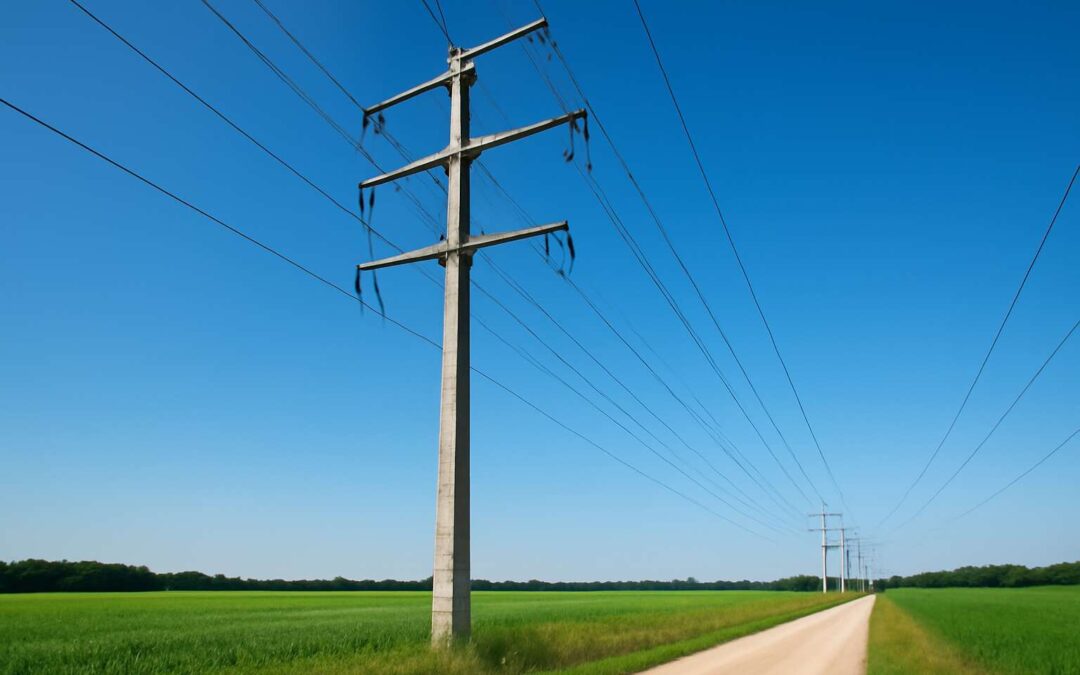
Material composition and manufacturing of concrete utility poles
Raw materials and mix design
Fortitude in concrete: across South Africa, service lives for concrete power poles routinely outlast harsher weather—well over four decades under demanding climates! Material composition and the way they are made shape load capacity and endurance, turning raw material into quiet guardians of the grid.
Raw materials and mix design resist moisture, salt, and heat. A typical recipe includes
- Portland cement with low alkali content
- Engineered aggregates from quarried rock
- Water with a controlled water-to-cement ratio
- Mineral admixtures such as fly ash or silica fume
- Steel reinforcement or prestressing strands
This tuned blend yields a target strength and low permeability, often aiming around 28 MPa at 28 days.
Manufacturing marries batching precision with controlled curing. Segments are cast, reinforced with steel or prestressing strands, and finished under careful quality control. In South Africa, facilities align with SABS standards, ensuring durable, long-lived concrete power poles that perform when wind and rain fall.
Reinforcement and structural considerations
Across South Africa, some poles endure storms for more than four decades! Within every durable column lies a careful partnership between steel and cement. Concrete power poles rely on high-strength concrete and well-anchored reinforcement, chosen to resist load, creep, and temperature swings. The result is a graceful, weather-beaten pillar that carries a nation’s grid with quiet tenacity.
Reinforcement strategies optimize strength and ductility. Prestressing strands or ribbed rebar are configured for axial load and bending moments, while adequate concrete cover protects steel from moisture and salts. Footing and embedment depth anchor the pole against wind gusts and soil settlement, marrying flexibility with stiffness.
Key structural considerations include junctions with crossarms, resistance to lateral sway, and corrosion resistance. The following factors ensure longevity:
- Prestressing configuration for load paths
- Adequate cover depth and spacing
- Corrosion protection and detailing
- Rigorous curing and alignment
Manufacturing process and quality control
Behind every durable concrete power pole lies a precise alchemy of cement, aggregate, and time. In South Africa’s climate, the recipe favors a high-strength matrix, well-graded aggregates, and subtle inhibitors that guard against moisture and chlorides. These poles are cast to endure decades of sun and wind, bearing the grid with quiet grit.
Manufacturing starts with precise batching, mixing, and formwork that defines the pole’s taper. Casting and curing follow under a disciplined quality regime tracking temperature and humidity.
- Slump and air content verification
- Compressive strength testing on cores or cylinders
- Dimensional tolerance and surface finish checks
- Post-cure inspections and traceability documentation
Quality control extends from batch records to field testing. Each pole leaves the plant with traceability and a clear record of strength and curing history, reaffirming that these concrete power poles are lifelines in South Africa’s grid.
Curing methods and durability factors
At the heart of concrete power poles lies a tuned cementitious matrix. In South Africa’s climate, we favor a high-strength, low-permeability blend with well-graded aggregates and discreet admixtures that curb moisture ingress and chloride attack. The result is a resilient, crack-guarded core built to endure decades.
Curing methods shape the long game. We rely on moisture retention and temperature control to prevent early shrinkage. A concise approach includes:
- Moisture curing with damp blankets or misting
- Steam curing for accelerated strength
- Surface curing compounds that seal but breathe
Durability hinges on UV exposure, temperature cycling, and moisture control. A dense surface layer limits diffusion, while consistent curing keeps the core uniform. These factors underpin the longevity of concrete power poles across South Africa’s grid.
Durability and lifecycle performance of concrete utility poles
Weather resistance and climate effects
In South Africa’s wild climate, the durability of concrete power poles reads like a saga of steadfast engineers. Across rugged terrain, these poles outlast alternatives by two decades, delivering decades of service with little maintenance. The dense concrete matrix and thoughtful design resist cracking and ground movement, letting lines endure when winds howl.
Weather resistance and climate effects shape performance. SA’s spectrum—from interior heat to altitude frost and coastal salt spray—tests every pole. Yet these poles withstand thermal cycling, humidity, and relentless sun with steadiness that ensures reliable electricity delivery.
- Frost and freeze-thaw cycles
- Humidity and salt spray in coastal regions
- Sustained heat and UV exposure
Lifecycle performance follows durability in a virtuous loop. Longer service life and lower maintenance mean fewer replacements and steadier networks. In South Africa’s infrastructure landscape, concrete power poles anchor communities with enduring strength—silent guardians that keep power flowing through every season.
Load-bearing capacity and safety margins
concrete power poles carry more than wires; they carry communities. “We build for the wind we haven’t met yet,” a veteran engineer likes to say, and that conviction guides every design choice. The load-bearing capacity is paired with generous safety margins, so a single structure can absorb overloads from heavy storms and seasonal shifts without flinching. In the lifecycle, that resilience translates to fewer replacements and steadier networks.
- Optimized cross‑section ensures even load sharing
- Foundations and anchorage resist soil movement
- Residual strength supports continued service despite partial damage
Across South Africa’s diverse climates, these poles write a quiet verse of reliability, keeping the grid humming.
Maintenance, inspection, and replacement planning
“We build for the wind we haven’t met yet,” a veteran engineer likes to say, and it greets the road as you pass the line. Across the rural shadows and humming cities of South Africa, durability is not a boast—it’s a vow kept in cement and quiet steel. Durability and lifecycle performance of concrete power poles are the grid’s quiet backbone, weathering salt spray, drought, and the unseen tremors of time. These poles stand as patient sentinels, turning fierce storms into steady service that nourishes communities through long nights and longer seasons.
- Visual checks and condition assessments
- Non-destructive methods to verify core strength
- Corrosion and movement monitoring
- Age- and risk-informed replacement planning
Across South Africa’s varied climates, the lifecycle of these structures is a quiet testament to resilience; each maintenance cycle translates to longer service, fewer interruptions, and a steadier future beneath the night sky.
Lifecycle cost and sustainability
A single well-designed pole can slash maintenance visits by a third over its lifetime. Across South Africa’s vast landscapes, concrete power poles rise like quiet sentinels, weathering salt spray, drought, and the tremors of time. Our durability and lifecycle performance are the grid’s unspoken backbone, translating risk into reliability and cost into careful stewardship.
Lifecycle cost and sustainability hinge on longevity, repairability, and recyclability. Key pillars of sustainability include:
- Extended service life
- Lower maintenance cycles
- End-of-life recyclability
In South Africa’s climate, these quiet giants endure with grace, turning storms into steadiness and long nights into reliable power. By prioritizing durability and lifecycle performance, we keep communities lit without the constant drumbeat of replacements.
Applications and installation considerations
Site selection, zoning, and regulatory standards
Across South Africa’s electric tapestry, proper siting can cut storm-related outages by up to 25%. “A pole is a quiet guardian of the grid,” an industry proverb reminds us. When it comes to concrete power poles, site selection, zoning, and regulatory standards guide every nail and notch. From bustling highway corridors to wind-swept rural routes, terrain, soil conditions, and access routes shape foundation depth and span planning.
- Site selection: assess soil bearing, drainage, and load paths to determine foundation depth and anchor points.
- Zoning and permits: align with municipal bylaws and Eskom/NERSA requirements to avoid delays.
- Regulatory standards: ensure compliance with local and national safety and installation guidelines for durable performance.
By respecting these site, zoning, and regulatory imperatives, the grid stays reliable, keeping towns thriving and businesses running through durable concrete power poles.
Installation methods and equipment used
Power reliability begins with the ground! Field data show up to 25% fewer outages when foundations for concrete power poles are designed with durability in mind. Across South Africa, these poles anchor the grid, weathering wind and traffic with minimal fuss.
Installation methods and equipment hinge on terrain, soil, and access. For concrete power poles, crane-lift placements, auger or bored foundations, and careful backfilling set the stage for reliable operation.
- Auger or bored foundations adapt to soil bearing without compromising load paths
- Crane-lifted poles with temporary bracing ensure precise alignment
- Backfill and drainage management preserve long-term stability
Beyond the lift, crews monitor alignment and ensure consistent erection tolerances. The right combination of equipment and planning supports durable performance, helping communities stay connected through every season.
Pole mounting, hardware compatibility, and connections
Pole mounting for concrete power poles is where design meets dirt, wind, and the occasional gravel drive-by. In South Africa, the right mounting approach keeps lines taut and outages at bay, even on routes that bite back with traffic and weather. Accuracy in base plates and alignment matters.
- Pole mounting compatibility: anchor bolts, base plates, and brackets that match your pole diameter and load class.
- Hardware compatibility: insulators, clamps, and girth straps sized for the conductor and tension requirements.
- Connections: terminations, connectors, and protective coatings that preserve conductivity while resisting corrosion.
With the right hardware and clean, code-compliant terminations, they deliver dependable service and safer streets for communities long into the next season.
Safety, environmental impact, and performance in adverse conditions
Storm season in South Africa tests the grid, and the right concrete power poles are the quiet sentinels keeping the lights on. Build to endure, maintain to last, as the old lineman likes to say, and these poles stand up to wind and grit.
Applications and installation considerations balance safety and environmental impact. Concrete power poles offer stable foundations and a longer, lower-maintenance life, with coatings and siting choices that suit both coastal breezes and inland heat.
- Site drainage and soil bearing
- Coatings for coastal or arid climates
- Wildfire risk and inspection access
In adverse conditions, they resist heat, rain, and dust while keeping conductors secure. With durable detailing and compliant terminations, concrete power poles deliver dependable service for South African communities.
Comparisons with alternative pole materials
Environmental footprint and sustainability
Endurance is the quiet engine behind every humming line of power. In South Africa’s varied climates, concrete power poles stand as sculpted promises—lasting, resistant, and ready for the long haul!
Compared with timber, steel, or composites, the environmental footprint of these poles often favors longevity and fewer replacements. Their durability reduces maintenance and replacement cycles, cutting embedded energy and embodied emissions over a long life, supporting sustainability goals and local recycling streams at end of life.
- Long service life reduces replacement frequency
- Lower pest, rot, and fire risk versus timber
- Local materials and reuse options improve lifecycle sustainability
Across the African sun and southern storms, these concrete power poles tell a story of resilience, beauty, and quiet hope.
Cost analysis and long-term value
Millions are spent each year on outages and maintenance, and concrete power poles offer a smarter, longer-lasting counter-move. Against timber, steel, or composites, they reveal a quiet arithmetic of value: higher upfront investment, but a longer, more predictable life with far fewer replacements. Across South Africa’s temperature swings and coastal winds, they deliver steady performance, lower maintenance, and reduced downtime—an enduring backbone for the grid.
- Upfront vs lifecycle costs
- Maintenance and inspection frequency
- Downtime and replacement intervals
- End-of-life salvage and recycling options
Cost analysis confirms that the long-term value rests in total lifecycle costs rather than upfront price. Fewer visits, diminished decay, and resilient performance translate into concrete power poles that keep communities powered while supporting prudent infrastructure budgeting and sustainable growth.
Performance across terrain and climate
Utilities report up to 25% fewer outages after switching to concrete power poles. When pitted against timber, steel, or composites, these poles reveal a quiet arithmetic: upfront investment yields a longer, more predictable life with far fewer replacements. Across South Africa’s diverse terrain, they shrug off weather and salt spray, delivering steady performance and reduced downtime.
Compared with timber, they resist rot and pests; against steel, they shrug off corrosion; compared to composites, they deliver time-tested longevity. Their performance across terrain and climate is marked by stability from dunes to highveld, with fewer seasonal failures and a lower total lifetime footprint.
- Coastal salt spray and UV resistance
- Seasonal temperature swings and wind loads
- Proven longevity with fewer replacement cycles