
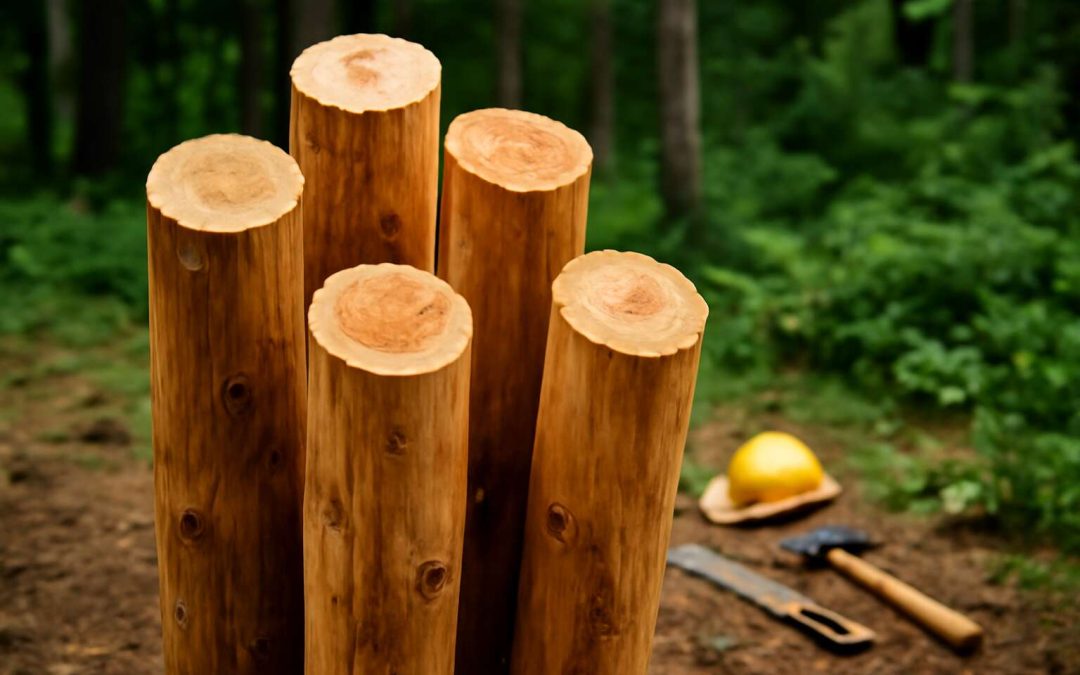
Understanding Wooden Poles
Types of Wooden Poles – Different types of wood used for poles including cedar, pine, and teak
In the realm of construction and utility infrastructures, understanding the different types of wooden poles is essential for ensuring durability and aesthetic appeal. Each variety of wood brings its own unique character and resilience, shaping the way these structures withstand the test of time. When you consider how to build a sturdy, long-lasting installation, selecting the right timber becomes the cornerstone of success.
Among the most popular choices for wooden poles build it are cedar, pine, and teak. Cedar, with its natural resistance to decay and insects, is celebrated for its longevity and fragrant charm. Pine, abundant and versatile, offers an economical option that, when treated properly, can serve well in various environments. Teak, renowned for its dense, oily composition, provides exceptional durability and a rich, golden hue that ages beautifully. These woods are often chosen based on the specific demands of the project and environmental conditions.
- Cedar: Known for natural resistance to decay and insects.
- Pine: An affordable, versatile option suitable for many applications.
- Teak: Offers superior durability and an elegant appearance, perfect for high-end projects.
Choosing the appropriate type of wood for a wooden poles build it involves more than just aesthetics; it’s about understanding the subtle interplay between material properties and environmental factors. Each type of wood tells a story—of resilience, tradition, and craftsmanship—that transforms simple poles into enduring symbols of human ingenuity.
Common Uses of Wooden Poles – Utility, fencing, architecture, and decorative purposes
Wooden poles have been the unsung heroes of both utility and aesthetics for centuries. Their versatility means they’re found everywhere—from towering power lines to rustic garden fences, proving that sometimes, simplicity is the ultimate sophistication. In fact, the enduring charm of wooden poles build it is rooted in their ability to adapt seamlessly to different environments and purposes.
Common uses of wooden poles extend beyond mere practicality. They serve as vital components in utility infrastructure, supporting electrical and telecommunication lines with steadfast reliability. But their appeal doesn’t stop there! Wooden poles also make excellent fencing materials, providing privacy and security while adding a touch of natural elegance to landscapes.
In architecture, these poles are often used for decorative features, pergolas, and even as statement pieces in urban design. Their natural grain and warm hues lend a timeless character that synthetic materials simply can’t emulate. Whether for functional or decorative purposes, the choice of wooden poles build it with the right type of wood ensures durability and aesthetic appeal, making them a smart investment for any project.
Benefits of Wooden Poles – Durability, eco-friendliness, aesthetic appeal
In an era where sustainability and timeless elegance intertwine, wooden poles build it stands as a testament to nature’s enduring craftsmanship. Their benefits extend far beyond mere functionality; they embody a harmony between strength and ecological mindfulness. Wooden poles are celebrated for their remarkable durability, especially when crafted from seasoned timber such as cedar or teak, which resist decay and harsh weather conditions with quiet resilience.
Moreover, embracing wooden poles build it aligns with eco-friendly values. These natural materials are renewable, biodegradable, and often sourced from sustainably managed forests. Their organic qualities are a gentle reminder that beauty need not come at the expense of the environment. Their aesthetic appeal is equally compelling, offering a warm, inviting hue that ages gracefully, developing a rich patina that tells stories of time and tradition.
Incorporating wooden poles build it into architectural or landscaping projects not only elevates visual charm but also provides a versatile foundation for creative expression. From rustic fences to ornate pergolas, the natural grain of wood lends a poetic touch to any setting. Whether you seek resilience or refinement, choosing the right wooden poles ensures a harmonious blend of durability, eco-consciousness, and aesthetic allure.
Planning and Designing Your Wooden Pole Build
Determining the Purpose – Assessing what the wooden poles will be used for
When embarking on a project to build with wooden poles, a crucial first step is understanding the purpose behind your build. Every project demands a tailored approach—whether you’re erecting a rustic fence, supporting a garden trellis, or creating a striking architectural feature. Clarifying your goals early on ensures you select the right type of wood and design specifications, ultimately saving time and resources.
The purpose also influences decisions about the height, diameter, and treatment of the wooden poles. For instance, utility poles require durability against the elements and load-bearing capacity, whereas decorative wooden poles may focus more on aesthetic appeal. To streamline your planning process, consider creating a detailed list of the specific requirements for your build. This kind of foresight is essential for a successful wooden poles build, ensuring your project stands the test of time and complements its environment.
Selecting the Right Wood – Factors to consider such as strength, longevity, and cost
Choosing the right wood for your wooden poles build it project is akin to selecting the perfect dance partner—timber should be strong, reliable, and capable of enduring life’s unpredictable twists and turns. The secret lies in balancing strength, longevity, and cost, because nobody wants a fence that falls apart faster than a soufflé. When planning your build, consider the unique demands of your project—whether it’s a decorative garden feature or a robust utility pole.
To make informed decisions, evaluate factors such as wood density, resistance to pests, and weather endurance. For example, cedar is renowned for its natural durability and aesthetic appeal, making it ideal for decorative purposes. Pine, on the other hand, offers affordability but may require treatment to withstand the elements. If you’re after the crème de la crème of timber, teak’s impressive longevity could be worth the investment.
- Strength
- Longevity
- Cost
These are the pillars supporting your wooden poles build it project. Ultimately, selecting the right wood hinges on understanding your specific needs and budget—because a well-chosen timber can turn your project from a mere idea into a lasting legacy.”
Design Considerations – Pole dimensions, reinforcement, and aesthetic design
Planning and designing your wooden poles build it project requires precision. Each detail impacts durability and visual appeal. Pole dimensions should match the purpose—larger for utility lines, slender for decorative features. Reinforcement, such as metal brackets or concrete foundations, can enhance stability, especially in high-wind areas. A thoughtful aesthetic design also plays a vital role; smooth finishes or natural textures can transform a simple pole into a striking feature.
Consider whether the poles will be exposed to harsh weather or pests. In such cases, incorporating protective treatments or choosing naturally resistant woods like cedar can extend lifespan. For projects involving multiple poles, a clear plan for spacing and alignment ensures consistency. Sometimes, a simple ordered list helps clarify the process:
- Determine pole height and diameter based on load requirements.
- Design reinforcement methods for extra support.
- Incorporate aesthetic elements to suit your environment.
When it comes to wooden poles build it, careful planning goes beyond mere function—it’s about creating a resilient, attractive structure that lasts. Every aspect, from dimensions to design details, contributes to a successful project that stands the test of time.
Materials and Tools Needed for Building Wooden Poles
Essential Materials – High-quality wood, nails, bolts, protective coatings
In the shadowed realm of craftsmanship, the foundation of any resilient wooden poles build it project lies in selecting materials that whisper secrets of endurance and beauty. High-quality wood is the soul of these creations—cedar, pine, or teak—each chosen not merely for their visual charm but for their ability to withstand the relentless march of time and nature’s wrath. The seasoned timber must be free from flaws, ensuring it bears the weight of purpose with silent strength.
Equally vital are the tools and fastenings that turn raw timber into a majestic sentinel. Nails and bolts—sturdy, rust-resistant—bind the fibres with a silent promise of stability. Protective coatings, often an afterthought in lesser endeavours, serve as armour, shielding the wood from decay and the corrosive kiss of moisture. Without these essentials, the soul of the wooden poles build it would falter, betrayed by neglect or inferior materials.
A simple yet crucial component often overlooked is the selection of the right fastenings—whether galvanized bolts or corrosion-resistant nails—to ensure longevity. The process is an intricate dance, where each element must harmonise to forge a monument of resilience and aesthetic allure. For those daring enough to venture into the art of wooden poles build it, these materials are the silent guardians of durability, standing steadfast against the ravages of time.
Tools Required – Saw, hammer, drill, measuring tape, safety gear
Building robust wooden poles requires more than just selecting quality timber; it demands the right set of tools to transform raw materials into enduring structures. According to industry experts, the precision and care taken during assembly can significantly influence the lifespan and aesthetic appeal of your wooden poles build it projects. Navigating this process with the proper equipment ensures efficiency and safety on every step of the journey.
Essential tools for this craft include a saw for clean, accurate cuts, a hammer to secure fastenings, and a drill to make precise holes for bolts or nails. A measuring tape is indispensable for ensuring correct dimensions, while safety gear—gloves, goggles, and protective clothing—protect artisans from splinters and debris. These tools work in harmony, empowering craftsmen and women to create poles that not only stand tall but also withstand the test of time.
When embarking on a wooden poles build it, consider using a
- cordless drill with adjustable torque settings
for versatility and ease of use. The quality of fastenings, such as galvanised bolts and corrosion-resistant nails, plays a pivotal role in the durability of the final product. Every component, from the saw to the safety gear, contributes to the structural integrity and longevity of the wooden poles, making the right choice of tools and materials paramount for success.
Optional Accessories – Bases, brackets, decorative finishes
Building sturdy, enduring wooden poles is an art that marries craftsmanship with the natural beauty of timber. To achieve this harmony, selecting the right materials and tools is paramount. High-quality wood such as cedar, pine, or teak forms the foundation, offering durability and aesthetic appeal. Complementing this, essential materials like galvanised nails, corrosion-resistant bolts, and protective coatings ensure longevity and resilience.
In addition to raw materials, optional accessories like bases, brackets, and decorative finishes can elevate your wooden poles build it project. These elements not only enhance visual appeal but also provide extra stability and customised design options. For instance, bases can anchor the poles firmly into the ground, while brackets add structural reinforcement. Decorative finishes lend a touch of artistry, transforming simple poles into statement pieces that withstand the test of time.
- Bases for stability
- Brackets for reinforcement
- Decorative finishes to enhance aesthetics
When embarking on a wooden poles build it journey, having the right arsenal of tools makes all the difference. A saw ensures precise cuts, while a drill facilitates accurate hole-making for fastenings. The use of a measuring tape guarantees correct dimensions, and safety gear protects against splinters and debris. For optimal results, opt for a cordless drill with adjustable torque settings—an invaluable asset that combines versatility with safety.
Step-by-Step Guide to Building Wooden Poles
Preparing the Wood – Cutting to size, treating for pests and weather resistance
Building sturdy wooden poles isn’t just about sawing and hammering; it’s a craft that demands precision and patience. Before you start, remember that preparing the wood is the foundation—without it, your poles might wobble or rot faster than you can say ‘maintenance nightmare’. Proper preparation ensures your wooden poles build it with longevity and resilience.
The first step involves cutting the wood to the desired size, which depends on your project’s specifications. Using a sharp saw, ensure clean, straight cuts—no one wants a wobbly pole that resembles a crooked tree! Following this, treat the wood for pests and weather resistance. This crucial step guards against termites and rain, which are the arch-nemeses of wooden poles. You can opt for a preservative or protective coating, applied evenly to all surfaces.
For added durability, consider applying an anti-rot treatment or sealant, especially if your wooden poles build it for outdoor use. This not only prolongs the life of your poles but also maintains their aesthetic appeal. Remember, well-prepared wood is the backbone of any successful wooden poles build it project, transforming raw timber into a resilient structure ready to face the elements head-on.
Assembling the Poles – Aligning, securing joints, reinforcing weak points
Building sturdy wooden poles is an art form that combines craftsmanship with strategic planning. Once the wood is properly prepared—cut to the right dimensions and treated for pests and weather resistance—it’s time to bring those poles to life through careful assembly. Precision is paramount, as even the slightest misalignment can compromise the entire structure’s integrity.
Begin by aligning the poles meticulously, ensuring they sit straight and true, whether you’re constructing a fence, utility line, or decorative feature. Secure the joints firmly using high-quality nails or bolts, paying close attention to reinforcing weak points that might falter under stress. For enhanced stability, consider adding brackets or specialised fasteners, especially at critical load-bearing intersections.
To guarantee longevity and safety, it’s advisable to double-check all connections and reinforce vulnerable areas. This methodical approach is essential for those who want their wooden poles build it projects to stand the test of time, resisting the relentless march of weather and wear. A well-assembled pole isn’t just a utilitarian element; it’s a testament to craftsmanship, durability, and enduring beauty.
Finishing Touches – Sanding, applying protective sealant or paint
In the shadowed quiet of the workshop, the final act of wooden poles build it unfolds—an alchemy of touch and patience. Once the raw timber has been meticulously shaped and fortified, the journey moves to the finishing touches that breathe life into these silent sentinels. Sanding, a seemingly mundane ritual, reveals the true character of the wood, smoothing rough edges and preparing the surface for the final layer of protection. This step is crucial, for it eradicates splinters and creates a flawless canvas for the sealant or paint to adhere seamlessly.
Applying a protective sealant or weatherproof paint is more than mere decoration; it is an act of armour against the relentless forces of nature. A well-coated wooden pole resists moisture, decay, and pests—preserving its strength and beauty for decades to come. For those seeking a touch of artistry, decorative finishes can add an aesthetic flourish, transforming utilitarian poles into striking features that echo the gothic grandeur of old-world craftsmanship.
- Sanding to perfection
- Applying weatherproof sealant or paint
- Inspecting for uniform coverage
As the last coat dries, the wooden poles are no longer mere timber but become enduring monuments—standing resilient against the passage of time. Every stroke, every careful detail, encapsulates the essence of a project that is as much about artistry as it is about durability. In the realm of wooden poles build it, these final touches forge a bond of strength and aesthetic grace, echoing the silent, stoic beauty of ancient forests turned into timeless works of craftsmanship.
Installation and Maintenance Tips
Proper Installation Techniques – Setting poles in the ground, anchoring securely
Proper installation of wooden poles build it is crucial for ensuring longevity and safety. When setting poles in the ground, it’s essential to dig a sturdy hole that allows for adequate stability. The depth should typically be at least one-third of the pole’s length, depending on soil conditions. Secure anchoring prevents shifting or leaning over time, especially under adverse weather conditions. Using high-quality fasteners and ensuring they are tightly secured guarantees that the pole remains upright and durable.
During installation, consider the type of soil and drainage to prevent moisture buildup, which can cause rot. To reinforce the foundation, it’s common to add gravel or concrete at the base of the hole. This not only improves stability but also helps with water runoff. For added safety and precision, use a level to check the alignment of each pole. Remember, precise placement and firm anchoring are the backbone of a successful wooden poles build it project.
Weatherproofing and Protection – Applying sealants, avoiding moisture exposure
Weatherproofing and protecting wooden poles is an art that requires both finesse and foresight. A well-sealed pole can endure decades of relentless exposure to the elements, transforming it into a resilient monument of craftsmanship. Applying a high-quality sealant is the first step—penetrating deep to shield the wood from moisture, mould, and fungi that threaten its integrity.
Moisture exposure is perhaps the greatest adversary in a wooden poles build it project. When water seeps into the fibres, it accelerates rot and compromises stability. To combat this, consider using protective coatings that offer UV resistance and water repellency. Regular maintenance, such as inspecting for cracks or peeling paint, ensures longevity and keeps the aesthetic appeal intact.
For added durability, some builders opt for a layered approach—applying multiple coats of sealant and considering optional accessories like bases or decorative finishes. These measures create a formidable barrier, fending off moisture and extending the life of your wooden poles build it masterpiece. Remember, the secret lies in vigilant upkeep and choosing materials that harmonise with the environment’s whims, ensuring your wooden poles remain as majestic as the day they were erected.
Regular Maintenance – Inspections, cleaning, reapplying protective coatings
In the realm of wooden poles build it, ongoing care transforms mere timber into enduring pillars of strength and beauty. Regular maintenance acts as the heartbeat of a resilient installation, ensuring each pole continues to stand proud amidst the changing seasons. Inspections should be a ritual—visually examining for cracks, signs of decay, or peeling protective coatings that threaten longevity. Cleaning the surface gently removes dirt and debris, preventing early deterioration.
Reapplying protective coatings is essential, especially after harsh weather events or seasonal shifts. A fresh layer of sealant not only preserves the wood’s natural charm but also fortifies it against moisture infiltration and fungal assault. For those seeking to elevate their wooden poles build it project, consider a layered approach—applying multiple coats ensures an impenetrable barrier. To streamline this upkeep, follow this simple sequence:
- Inspect thoroughly for damage or wear.
- Clean the surface with a soft brush or cloth.
- Reapply a high-quality protective sealant or paint.
Maintaining your wooden poles build it masterpiece is a dance of vigilance and care, where each step prolongs its grace and utility. Whether for utility purposes, fencing, or decorative architecture, attentive upkeep breathes life into each timber and preserves its majestic integrity for decades to come.
Eco-Friendly and Sustainable Wooden Pole Building
Imagine a world where the strength of ancient forests supports modern innovation—this is the promise of eco-friendly and sustainable wooden pole building. With forestry practices now prioritising responsible harvesting, wooden poles build it with an eye toward environmental harmony. These poles are not merely functional; they embody a commitment to preserving our planet’s delicate balance.
By choosing sustainable wooden poles, builders embrace a renewable resource that naturally sequesters carbon, reducing greenhouse gases. The process involves carefully managed forestry that ensures replanting and conservation, making every wooden pole a symbol of ecological stewardship. For those passionate about integrating sustainability into construction, wooden poles build it as a conscious choice that marries durability with eco-consciousness.
In a world increasingly driven by green innovation, sustainable wooden pole building offers a compelling alternative to traditional materials. It’s an adventure in responsible construction—building with nature, for nature. Whether for fencing, utility lines, or structural support, these poles stand as testament to environmentally respectful craftsmanship.