
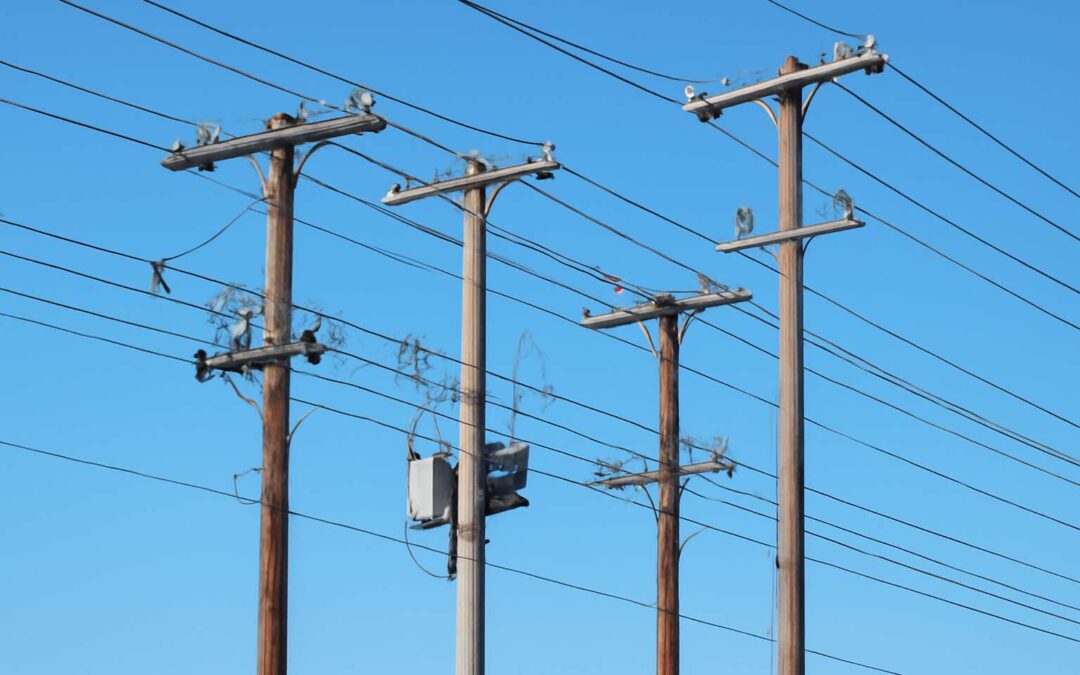
Overview of Pole Types for Utilities
Section 1
In South Africa’s grid, the pole is more than a support—it’s a lifeline that keeps communities lit. The overview of the different types of telephone poles shows how material, climate, and load shape performance. A utility engineer once said, “Strength and resilience begin with the pole.” That truth guides every installation, helping lines stay steady through storms and heat alike.
Four families dominate typical networks in SA.
- Wooden poles (treated pine) — affordable and common, but rot and termites can bite in damp zones.
- Concrete or prestressed concrete — long-lasting, fire-resistant, with heavier handling needs.
- Steel and composite poles — strong, lighter than concrete, ideal where space and load are tight.
- Fibreglass/FRP composites — corrosion-resistant, low maintenance, great for coastal soils.
Selecting the right type depends on soil, access, and maintenance budgets—essential factors that keep the grid resilient.
Section 2
Each pole is a hinge in South Africa’s lifeblood—the grid that keeps clinics lit, schools buzzing, and towns moving after sunset. The different types of telephone poles reflect a craftsman’s response to wind, soil, and season. “The pole is the quiet keeper of resilience,” says a veteran engineer. This overview traces how materials meet conditions and shape lifespans, guiding decisions from dust-drawn desert towns to mist-washed coastal belts.
- Load-bearing behavior under varied winds and temperatures
- Resistance to corrosion, rot, and soil acidity
- Ease of transport, installation, and real-world access
- Lifecycle costs and end-of-life options
In practice, engineers balance these attributes with local realities in SA, from the Karoo’s silence to the coast’s salt spray, ensuring the grid stays steady through storms and heat alike.
Section 3
Among the different types of telephone poles, SA’s grid keeps clinics lit and schools buzzing with quiet stubbornness. “The spine of the grid,” a veteran engineer likes to say, “outlasts storms and red tape.” From the wind-washed Karoo to the salt-kissed coast, these structures prove durability is a design choice, not a happy accident.
Three main families cover most utility needs, with local tweaks.
- timber poles: plentiful, renewable timber, affordable—and easy to work with in moderate climates
- reinforced concrete or steel: long service life where soils are harsh or corrosion is a concern
- composite/fibreglass options: lighter, corrosion-resistant, ideal near coastlines and industrial corridors
The choice is a balance: load capacity, soil chemistry, and transport realities, all tuned to local realities so that the lights never fall silent after a storm.
Section 4
Pole resilience isn’t luck—it’s design. In a country where a single storm can ripple through neighborhoods, the backbone of the grid must endure as a quiet sentinel. The wind keeps its own counsel; the poles answer. Three families cover most needs, each matched to place and climate: timber for renewability, reinforced concrete or steel for longevity, and composites where salt air or heavy pollutants loom.
Here’s how they shape the field on the ground:
- Timber: quick to deploy, renewable, and affordable in moderate climates
- Concrete or steel: stiff, enduring, ideal where soils are harsh or corrosion is a threat
- Composite/fibreglass: lighter, highly resistant to corrosion, perfect near coasts and industrial corridors
Understanding the different types of telephone poles helps planners balance load capacity, soil chemistry, and transport realities with local conditions so lights stay bright after a storm. In South Africa, that means thoughtful siting, routine inspection, and materials that endure—the unsung spine of the grid.