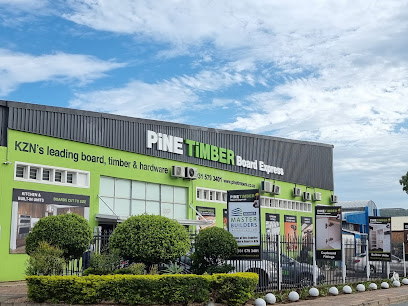

Polyweld Plastics Cc is a Plastic fabrication company establishment in Durban, KwaZulu-Natal, South Africa
Durban
KwaZulu-Natal
South Africa

no-image
Sorry, no records were found. Please adjust your search criteria and try again.
Sorry, unable to load the Maps API.
Durban Plastic Fabrication Services: Practical Insights
In Durban, KwaZulu-Natal, plastic fabrication companies offer a range of fabrication and finishing capabilities designed to support industries from retail to manufacturing and construction. These firms typically operate as specialised workshops that transform raw polymer materials into customised components, assemblies, and enclosures through a blend of engineering know-how and practical manufacturing techniques. They are commonly engaged to produce items that require precise dimensions, durable finishes, and adaptable schedules to meet project timelines.
Core services often include sheet plastic fabrication, which involves cutting, bending, and forming plastics such as acrylic, polycarbonate, PVC, ABS, and PETG into flat panels, enclosures, display fixtures, or protective housings. More complex projects may demand extrusion-derived parts, thermoforming for large curved shapes, and welding or joining of plastics through solvent bonding, heat sealing, or ultrasonic methods. The aim in these cases is to deliver parts with consistent tolerances and smooth edges, ready for assembly and installation.
Secondary services are commonly emphasised as well. These include precision machining and finishing, where plastic components are milled, drilled, tapped, or bored to exact specifications. Finishing processes such as deburring, polishing, painting, or applying specialised coatings help enhance appearance and resistance to environmental factors. Surface treatment may also extend to printing or branding on certain plastics, enabling custom branding or product information to be incorporated directly onto components.
Durban-based plastic fabrication providers frequently support a variety of industries with practical, project-driven approaches. For construction and architectural applications, fabricators may produce lightweight protective screens, cladding panels, or display façades. In commercial and retail settings, the production of display cases, point-of-sale fixtures, and custom sourcing components is common. Agricultural and packaging sectors sometimes leverage fabricated plastic parts for containment, covers, or durable housings. The shared objective across these applications is to deliver parts and assemblies that meet functional requirements while remaining cost-effective and timely.
Customers can expect a collaborative planning phase in which specifications, materials, and fabrication methods are discussed. Technical considerations often include material selection based on durability, chemical compatibility, UV resistance, and temperature exposure. Lead times are influenced by order size, material availability, and the complexity of the fabrication method required. Producers in Durban typically balance custom work with smaller batch runs, offering flexibility for prototypes and pilot orders as well as larger productions.
Manufacturing workflows generally follow a familiar sequence. First, a quotation or feasibility assessment is prepared, outlining material estimates, processing steps, and anticipated lead times. Once approved, the project proceeds to material preparation, followed by the core fabrication work—cutting, forming, joining, and finishing. Quality checks are commonly performed to verify dimensions, fitment, and surface quality before components are packaged for delivery or collection. Throughout the process, clear communication helps ensure alignment on specifications, tolerances, and any required documentation for installation or compliance.
Practical considerations for clients include choosing materials suitable for the intended environment, particularly for outdoor exposure, moisture, or chemical contact. It is also important to discuss maintenance requirements and expected service life, as some plastics may need protective coatings or periodic refurbishing. Logistics, including delivery arrangements and handling of large or fragile items, should be planned in advance to minimise risk during transit and on-site installation. Durban-based fabricators often accommodate on-site surveys or feasibility checks to tailor solutions to specific spaces and constraints.
Typical service offering at a Durban plastic fabrication facility
- Sheet plastic fabrication: cutting, bending, forming, and joining
- Thermoforming and lightweight component production
- Precision machining and assembly of plastic parts
- Finishing: deburring, polishing, painting, and coating
- Surface branding and label application
- Prototyping, small batch production, and scalable runs
- Project planning, material selection guidance, and on-site considerations
Overall, Durban plastic fabrication services are characterised by a practical, process-driven approach aimed at delivering reliable, fit-for-purpose plastic components. The emphasis remains on clear specification, appropriate material choice, and efficient fabrication workflows that align with local industry demands and project timelines.