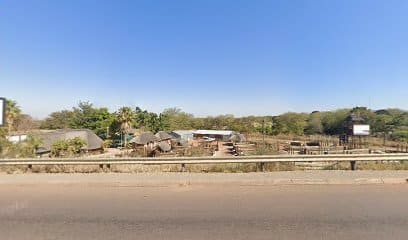
Waterfront Thatchers (Pty) Ltd is a Construction company establishment in Bela-Bela, Limpopo, South Africa
Waterfront Thatchers (Pty) Ltd — Traditional Yet Modern Thatching Specialists in Bela-Bela, Limpopo
Waterfront Thatchers (Pty) Ltd operates as a South African small business with a focus on high-quality thatching solutions for residential, commercial, and hospitality projects. Based in the Waterberg region near Warmbaths (Bela-Bela), Limpopo, the company has been active since 1995 and is founded on a blend of traditional craftsmanship and contemporary thatching technology. The business stresses warmth, character, and durability in every roof, aiming to bring an open, natural style that harmonises indoor and outdoor living.
The firm presents a comprehensive service offering that spans the entire lifecycle of a thatch roof. Core activities include general thatching consultation, design of thatch roofs, and structural design, followed by professionally supervised carpentry and thatching teams. Projects typically range from lodges and houses to lapa structures and entertainment areas, with additional capabilities for wood decking, lath carport roofs, lath walls, and related timber works. The company also undertakes roof maintenance and repairs, ensuring ongoing performance and longevity. Free quotations are provided to prospective clients, reflecting a transparent, project-by-project approach to pricing.
From the outset, the firm emphasises a rigorous, standards-led process. Projects begin with detailed structural drawings to establish timber requirements and to confirm that the supporting roof structure is capable of withstanding anticipated loads. Prior to thatching, a certified engineer inspects the roof structure, and upon completion, an engineer’s certificate is issued for the thatch roof. This emphasis on engineering accountability sits alongside traditional craft, underscored by adherence to specified timber and thatching material standards, as outlined in their published specifications.
The company’s service repertoire includes design and construction of lodges, houses, and entertainment areas, as well as the creation of decks and external structures. The interior “sprei” (ceiling) layer frequently uses Albertinia Cape Reed or Thamnochortus grass, while the thatch layer itself employs common or fine thatching grasses that are carefully prepared and free of excess materials. Structural details reiterate durability (e.g., treated timber, bolted connections, and designed resistance to environmental forces), reflecting a commitment to long-term performance in Limpopo’s climate.
Waterfront Thatchers’ team management is described as professionally supervised, with a combination of carpentry and thatching expertise. The company also highlights flexibility in design, allowing for varied shapes and architectural expressions, while emphasising insulation properties and the natural aesthetic unique to thatched roofs. Services extend to design and construction of outdoor spaces, such as entertainment areas and decks, broadening the scope beyond roofwork alone.
Customer experience, as reflected in visitor feedback, appears to be mixed but generally positive in terms of helpfulness and delivery. Several reviewers commend friendly, informative, and patient guidance from staff, highlighting constructive interactions and satisfaction with service levels. Positive remarks frequently focus on timely, approachable responses and good pricing. However, there is at least one instance of communication challenges noted by a reviewer, signalling that responsiveness may vary. Overall, the sentiment points to a business that places real value on client relationships and workmanship, with many clients reporting favourable experiences after engaging with the team.
In addition to its operational ethos, Waterfront Thatchers maintains affiliations within the industry, including membership in the Thatchers Association and a standing as a Proud Affiliate of Waterfront Thatchers. These associations underscore a commitment to industry standards and continued professional engagement. The company also offers practical guidance through online resources and a gallery of recent projects, illustrating completed roofs, maintenance work, and related construction activities.
Served areas include Limpopo and neighbouring provinces such as North West and Mpumalanga, with projects occasionally extending into Gauteng. The Bela-Bela address places the business in a prime location for clients within the Waterberg region and surrounding towns seeking thatching expertise. Contact options include a dedicated phone line, email, and online contact forms, with opportunities to request quotes and arrange initial consultations.
Practical tips for potential clients include reviewing the structural and engineer's documentation early in the planning process, requesting references from completed projects, and ensuring that the quoted scope covers maintenance needs post-installation. Given the climate considerations of Limpopo, discussing insulation performance, roof drainage, and longevity of thatch finishes with the design team can help secure a durable, aesthetically pleasing result that stands the test of time.
Location and service area are named explicitly, situating Waterfront Thatchers as a specialist choice for those seeking authentic thatching expertise within Bela-Bela, the Waterberg region, and broader Limpopo province.
Bela-Bela
Limpopo
South Africa

Sorry, no records were found. Please adjust your search criteria and try again.
Sorry, unable to load the Maps API.
Construction Services in Bela-Bela, Limpopo: An Industry Overview
In Bela-Bela, a town known for its neighbouring Waterberg scenery and vibrant local economy, construction companies provide a range of services designed to support residential, commercial and public-sector projects. The offerings reflect the region’s development needs, enabling dwelling improvements, new build work, and infrastructure upgrades that align with South Africa’s building standards and local planning requirements. Clients can expect a practical approach that considers material availability, climate, and local regulatory processes.
Typical services begin with consultation and planning, where clients discuss project aims, budget constraints, and timelines. Construction teams may assist with feasibility assessments, preliminary design input, and cost estimates to help determine whether a project is viable within the available resources. Early-stage activity often includes site surveys, basic layout planning, and the preparation of an outline programme that maps out key milestones from provisional approvals to project completion.
Residential projects are common in Bela-Bela and frequently encompass extensions, renovations, and new dwelling construction. Practitioners commonly offer architectural coordination, structural reinforcements, roofing, plastering, and finishing works. Electrical and plumbing services are typically delivered through a network of skilled subcontractors, with the principal contractor ensuring integration, safety compliance, and quality control throughout the build. External works, such as driveways, fencing, and landscaping, may be coordinated as part of a broader package.
Commercial and civic works cover offices, retail spaces, clinics, schools, and small industrial facilities. In these cases, attention to site access, zoning adherence, and adherence to municipal building regulations becomes important. Projects may involve heavy groundwork, concrete pouring, masonry, carpentry, and fit-out phases for internal layouts. Project managers in Bela-Bela often coordinate delivery schedules to minimise disruption for surrounding businesses and residents, while maintaining safe working conditions on site.
Emphasis on quality and safety is standard across construction endeavours in the region. Experienced firms typically implement safety plans, site inductions, and risk assessments in line with national norms. Quality control is pursued through regular inspections, adherence to drawings and specifications, and the use of reliable materials available within the local supply chain. Clients can expect a transparent progression, with changes communicated and documented to preserve project integrity and budget alignment.
Practical considerations for prospective clients in Bela-Bela include understanding logistics and resource access. Materials may come from regional suppliers, influencing lead times and costs, while weather patterns can affect scheduling, particularly during the rainy season. Permits and inspections are managed in cooperation with local authorities, and it is prudent to plan for potential delays related to approvals. For larger projects, a detailed project programme, change management process, and a clear responsibilities matrix help maintain momentum and accountability.
Engagements usually follow a structured sequence: initial assessment and design input, obtaining approvals where required, site preparation, followed by construction, commissioning, and close-out. Throughout this process, the emphasis remains on delivering a coherent, well-coordinated build that respects the client’s objectives and the constraints of the Bela-Bela environment. While the exact workflow may differ between firms, the core aim remains to deliver functional, compliant facilities on time and within budget.
For consumers and businesses considering construction services in Bela-Bela, it is advisable to review prior project references, clarify payment schedules, and request a comprehensive outline of services included. A clear communication plan and defined roles reduce ambiguity, supporting smoother collaboration from inception through to project completion.