
Overview and Application Context
Definition and key characteristics of wooden poles
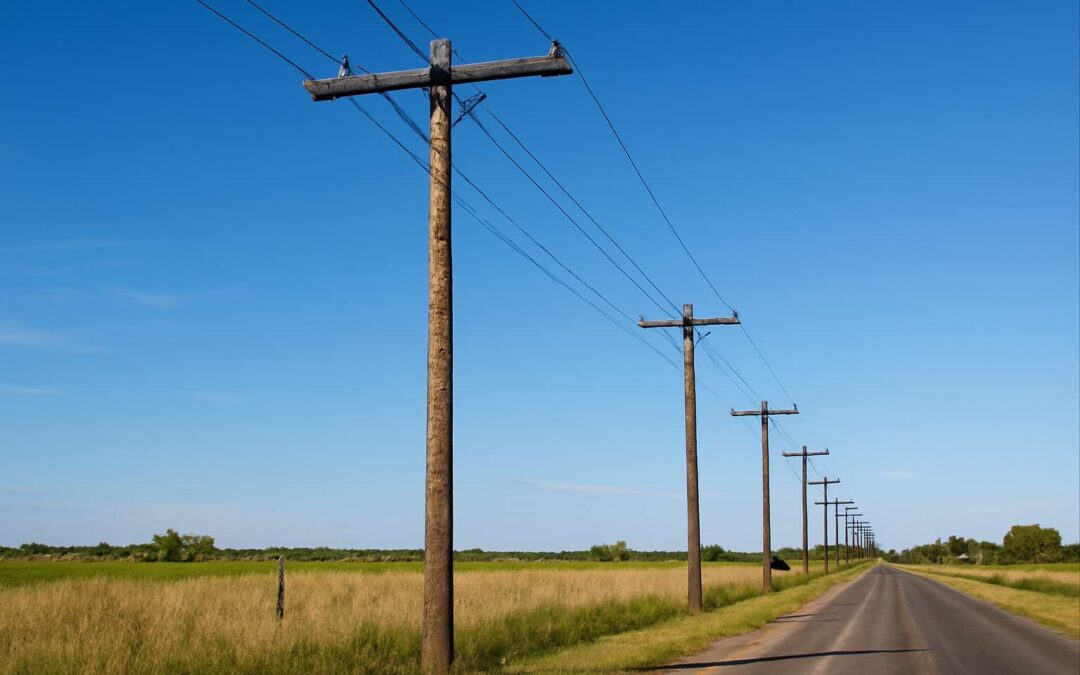
Across South Africa, wooden utility poles still power rural lanes and city streets with stubborn reliability. They weather blazing veld sun, gale-force winds, and the occasional termite party with quiet endurance. A well-placed pole can outlast flashier tech, keeping lines humming while budgets stay friendly. The appeal is practical: locally sourced timber, straightforward maintenance, and a lifecycle that fits community needs as neatly as a glove fits a hand.
Definition and application context: wooden utility poles are vertical supports made from treated timber, carrying power lines and sometimes telecom cables. In SA, locally sourced pine or eucalyptus are pressure treated to resist rot and termites, balancing strength with the country’s climate. They are versatile for rural feeder lines and urban street corridors alike, a testament to durable, cost-conscious engineering. Key characteristics include:
- Material and treatment: locally sourced timber, pressure-treated for rot and termite resistance.
- Structural performance: designed to handle typical distribution loads with standard heights.
- Maintenance and lifecycle: straightforward upkeep and replacement cycles common in SA networks.
Industries and environments where they shine
The quiet backbone of South Africa’s grid is often overlooked: wooden utility poles. “Poles are the quiet backbone of the grid,” a civil engineer noted, and the claim sticks. They thrive where budgets and climates demand steady, low-tech reliability for power and telecom lines alike.
Across industries, wooden utility poles perform best where reliability, simple maintenance, and local sourcing matter most.
- Rural feeder networks and village streets
- Urban street corridors and municipal lines
- Telecom cable supports and data routes
- Agricultural irrigation and farm infrastructure
- Mining towns and industrial campuses
In SA’s climate—hot sun, gusting winds, termite-prone soils—wooden utility poles stay sturdy with practical care. The lifecycle fits local budgets and supply chains, keeping lines humming without flashy upgrades.
Common alternatives and reasons for choosing wood
Behind every humming line lies a quiet workhorse: wooden utility poles. In SA, they keep rural grids humming with steady, low-tech reliability. From village streets to municipal corridors, these poles anchor networks with a resilient, almost supernatural calm.
Alternatives exist, but wood remains strategic in many contexts:
- Steel for heavy-load, long-span corridors
- Concrete for coastal or high-durability needs
- Composite for quick installs and corrosion-prone sites
Wood wins where local sourcing, repairability, and predictable lifecycle costs matter most. They’re reshaped or re-treated in workshops and towns across SA, keeping maintenance lean and lines humming without inviting the heavy, distant upgrades that sometimes miss the heartbeat of rural networks powered by wooden utility poles.
Material properties and durability
Wood species and treatment methods
Across the globe, wooden utility poles account for roughly three-quarters of installed distribution poles—a sturdy cornerstone in any grid. In South Africa’s varied climate, they endure heat, rain, and termites with quiet grit. The material’s natural stiffness and light weight keep long spans stable and approachable for maintenance crews.
Wood species and treatment methods shape durability. Pinus radiata and local eucalyptus varieties provide balance between strength and availability. Treatments range from CA-B and ACQ to thermal modification, with creosote still used where conditions demand. Properly treated wooden utility poles resist rot, fungi, and pests, extending service life in diverse environments.
- Pressure-treated timber with copper-based preservatives (CA-B, ACQ)
- Thermally modified wood for decay resistance
- Soil-side barriers and protective coatings
Choosing species and treatment for the local climate—from arid farms to coastal settlements—keeps poles reliable through seasons. They stand as a backbone of resilience, a testament to timber’s enduring beauty.
Durability against moisture, pests, and rot
Three-quarters of the world’s distribution poles are wooden utility poles, and in South Africa that sturdy majority holds up the grid with a stubborn grace. Against heat, rain, and termites, these poles keep their shape, letting long spans breathe and crews work with confidence.
Durability against moisture, pests, and rot comes from a smart blend of timber science and on-site care. Drying minimizes shrinkage; dense heartwood resists soaking; protective finishes form an invisible shield that slows decay long before it takes root.
- Moisture management: optimized drying and sealing to curb swelling
- Pest resistance: heartwood traits paired with durable coatings
- Rot prevention: barrier systems that keep soil moisture from wicking in
In practice, that combination translates to reliable service across SA’s varied climate—from arid farms to humid coastlines—keeping the grid standing as the backbone of resilience.
Seasonal maintenance considerations for wooden stakes
Three-quarters of the world’s distribution poles are wooden utility poles, and in South Africa they shoulder the grid with stubborn grace through heat, rain, and storms. The timber’s magic lies in its makeup: dense heartwood, carefully dried fibers, and a protective shield of coatings. These elements slow moisture, resist pests at soil contact, and keep joints stable as long spans stretch toward distant farms.
Seasonal maintenance considerations for wooden stakes in South Africa’s climate are the quiet habit that keeps wooden utility poles trustworthy. After heavy rains or dry spells, a quick check helps catch warping and loose fittings before trouble grows.
- Inspect for cracks after storms
- Re-seal exposed surfaces to slow moisture ingress
- Check bases where soil meets timber and re-treat if needed
Environmental impact and sustainability of wood poles
Three-quarters of the world’s distribution poles are wooden utility poles, and in South Africa they shoulder the grid with a quiet, stubborn grace through heat, rain, and storms.
Material properties and durability ride on a simple truth: dense heartwood, carefully dried fibers, and a shield of coatings. This trio slows moisture, resists pests at soil contact, and keeps joints stable as spans stretch toward distant farms.
- Dense heartwood improves stiffness and crack resistance
- Coatings slow moisture ingress and fungal attack
- Freshly dried grain resists twisting under sun exposure
Environmental impact and sustainability follow the same arc: renewable by design, timber stores carbon and, when responsibly sourced, supports circular economies across local mills. For communities, wooden utility poles offer a sustainable path forward when forests are managed and timber is milled with care.
Installation, code compliance, and safety
Standards and regulatory guidelines for installation
As one veteran lineworker says, “The pole holds the grid together.” In South Africa, the quiet discipline of installation determines whether a neighborhood wakes to light or darkness, season after season.
Installing wooden utility poles means more than placing timber in the ground; it demands precise embedment, soil assessment, and proper hardware to resist wind and moisture.
- Site surveys and permits
- Correct embedment depth and backfill
- Hardware compatibility and protective coatings
Code compliance requires alignment with national electrical standards and local bylaws, with oversight from SABS-affiliated bodies and OHSA guidelines in South Africa. Inspections ensure pole integrity, load ratings, and safe clearances from roads and structures.
Safety standards and regulatory guidelines for installation emphasize trained crews, PPE, safe digging practices, and fall protection. Adherence to these practices preserves the reliability of wooden utility poles and protects communities where power is life.
Pole loading, guying, and clearances
Installing wooden utility poles isn’t merely planting timber; it’s a choreography of embedment, soil assessment, and hardware fit. In South Africa’s grid, installation decisions determine whether a neighborhood wakes to light or darkness, season after season—the quiet resilience of these poles.
Code compliance requires alignment with national electrical standards and local bylaws, with SABS-affiliated oversight and OHSA guidelines in South Africa. Inspections certify pole integrity, load ratings, and safe clearances from roads and structures, preserving reliability and public safety for communities.
Safety is the brake on a gust. Pole loading, guying, and clearances must endure wind, moisture, and traffic while accommodating future expansions.
- Pole loading calculations and ratings
- Guying schemes and anchor design
- Clearances from roads, signage, and nearby structures
Done with wit and discipline, the infrastructure endures.
Safety best practices during erection and maintenance
Power reliability begins the moment a crew commits to the ground and the timber goes in. ‘Reliability starts with proper installation,’ a South African grid supervisor notes. Installation of wooden utility poles is more than planting timber—it’s embedment, soil checks, and the right hardware!
Code compliance ties to national electrical standards and local bylaws, and our teams follow SABS oversight and OHSA guidelines at every step. Inspections certify pole integrity, load ratings, and safe clearances from roads and structures, preserving reliability and public safety.
- Adhere to national standards and local bylaws
- Prioritize PPE and site demarcation
- Consider weather, soil moisture, and traffic demands
- Rely on qualified teams for all handling and inspections
In South Africa, wooden utility poles remain a backbone of the grid, stitching communities together and keeping services running through every season.
Lifecycle, maintenance, and replacement planning
Inspection schedules and signs of deterioration
In South Africa’s power corridors, the lifecycle of wooden utility poles is a patient drama of wood, grit, and gravity. From procurement and preservative treatment to retirement, each stage demands foresight, prudent budgeting, and an eye for the climate’s sly, sometimes brutal mood.
Maintenance planning rests on disciplined inspection and timely interventions. Regular visual checks, moisture assessments, and periodic re-treatment extend life and forestall costly failures. Replacement planning should model load growth and weather risk, ensuring budgets and crews arrive ahead of deterioration.
- Cracks or splits visible on the surface
- Rot or soft, decaying wood
- Rusty or loose hardware and hanging lines
- Uneven lean or base-ground rot
Inspection schedules and signs of deterioration guide every decision. Schedule more frequent checks after storms or floods; look for insect activity, fungal staining, or sapwood discoloration. For wooden utility poles, a tap that yields a hollow sound is a clear caution.
Maintenance techniques: coating, preservatives, and repairs
Across South Africa’s power corridors, the lifecycle of wooden utility poles reads like a patient drama—one that tests wood, grit, and gravity. Industry data hints that up to a quarter of pole faults occur in the 15- to 20-year span, a reminder that care isn’t optional but existential. From procurement and preservative treatment to retirement, every phase demands foresight, prudent budgeting, and an eye for a climate that never stops testing us.
Maintenance is a quiet discipline: coating, preservatives, and measured repairs that keep the grid’s sinew taut. Coating and sealants form a shield against moisture and pests; preservatives permeate the sapwood; repairs address cracks and base-ground rot.
- Coating and sealants
- Preservative treatments
- Repairs and reinforcement
Replacement planning should model load growth and weather risk, ensuring budgets and crews arrive ahead of deterioration. In this lifecycle thinking, wooden utility poles are assets to be managed—balancing risk, resilience, and the quiet confidence that comes from foresight.
End-of-life options: replacement, recycling, and disposal
Across South Africa’s power corridors, up to a quarter of pole faults emerge in the 15–20 year window—a statistic that makes maintenance feel existential, and yet strangely poetic. Wooden utility poles carry a quiet gravity, bearing communities’ electricity and aspirations through storms and sun alike.
Lifecycles are stories of foresight and balance. When planning renewals, treat poles as assets to be managed, not moments of expenditure. Replacement planning should model load growth and weather risk, with budgets and crews arriving ahead of deterioration, preserving resilience and the grid’s sinew.
End-of-life options honor the timber’s journey:
- Replacement strategies aligned with demand and reliability
- Recycling into engineered wood products, mulch, or composite materials
- Disposal through certified timber recycling facilities and responsible waste streams
Cost considerations and budgeting for pole fleets
Lifecycle is a quiet arithmetic of risk and renewal, and we hold the numbers in a steady hand. Across South Africa’s power corridors, our pole fleets age with a patient gravity, and planning ahead keeps the lights steady and the mornings hopeful. Cost considerations hinge on treating poles as assets to be managed: upfront investments in durable stock, steady maintenance budgets, and the preventive measures that dampen outages before alarms sound. wooden utility poles bear communities’ aspirations through storms and sun alike!
Replacement planning should model load growth, weather risk, and currency volatility, letting budgets and crews arrive before deterioration. A portfolio mindset balances depreciation, spare inventories, and crew productivity, turning pole fleets into a resilient backbone rather than a looming expense. When managed this way, maintenance becomes a rhythm of vigilance, not a scramble, and the grid’s sinew stays strong through the seasons.
Environmental and economic impact, and industry trends
Sourcing, forestry practices, and certification programs
Environmental and economic footprints of wooden utility poles are closely tied to how forests are managed. In South Africa, responsibly sourced timber supports rural communities, sustains mills, and locks carbon away for decades. When forestry practices prioritize biodiversity, water stewardship, and waste minimization, the overall lifecycle costs stay competitive while reducing climate risk.
Industry trends hinge on transparent sourcing and robust certification programs. Buyers increasingly demand traceability from seed to pole, and communities expect responsible land use. Sourcing from well-managed forests for poles helps secure steady supply chains, lowers disposal costs at end‑of‑life, and reinforces local industry resilience.
- FSC certification
- PEFC certification
- Regionally recognized forestry standards
These shifts reflect a broader commitment to sustainable infrastructure that serves both the grid and the ground it stands on.
Economic benefits of wooden poles vs alternatives
Hidden in plain sight, the forest becomes the grid’s quiet ally. In South Africa, responsibly managed timber supports rural livelihoods, sustains mills, and locks carbon away for decades. When forestry favors biodiversity, water stewardship, and waste minimization, the lifecycle costs stay competitive while climate risk softens. The land breathes, and so does the grid, powering communities without sacrificing the terrain that feeds them. Wooden utility poles stand as quiet sentinels, carrying the grid’s heartbeat.
Industry momentum favors transparent sourcing and robust certification, with buyers seeking seed-to-pole traceability.
- Lower upfront costs compared with steel or concrete
- Quicker on-site installation and fewer outages
- Smarter end-of-life disposal and recycling options
These trends deliver a clear economic edge while strengthening local capacity and price stability across cycles.
Emerging technologies and trend developments in pole design
Wooden utility poles endure 40 to 60 years, a longevity that steadies South Africa’s rural grid while trimming the climate footprint. Their environmental story hinges on sustainable forestry, waste minimization, and long service life; economically, they offer lower upfront costs and lower lifecycle risk. When forests support biodiversity and water stewardship, the grid breathes easier, and rural livelihoods stay intact as mills stay busy and communities stay powered.
Industry momentum favors smarter design and smarter use of wood.
- Sensor-enabled poles for real-time structural health monitoring
- Modular, prefabricated components that speed installation and reduce outages
- Eco-friendly treatments and on-site recycling strategies to close the loop
In South Africa, wooden utility poles fuse heritage with modern resilience, empowering communities without sacrificing the landscapes that feed them.
Case studies: utilities that transitioned to treated wood
Environmental stewardship and long-term savings converge in wooden utility poles. Their extended service life reduces waste and transport emissions, while durable preservatives guard against moisture and pests. Economically, utilities avoid constant rebuilds and patchwork maintenance, delivering steadier budgets and fewer outages. When forests are responsibly managed, biodiversity thrives and rural communities stay powered.
Industry momentum favors smarter design and smarter use of wood, with sensor-enabled poles and modular components guiding real-time monitoring and rapid restorations.
- Regional utility in South Africa transitions to treated wood poles, extending life.
- Co-op networks adopt modular pole systems to speed installations and reduce outages.
- Municipal grids employ eco-friendly treatments and on-site recycling to close the loop.
In South Africa, these shifts fuse heritage with modern resilience, empowering communities without sacrificing landscapes.