
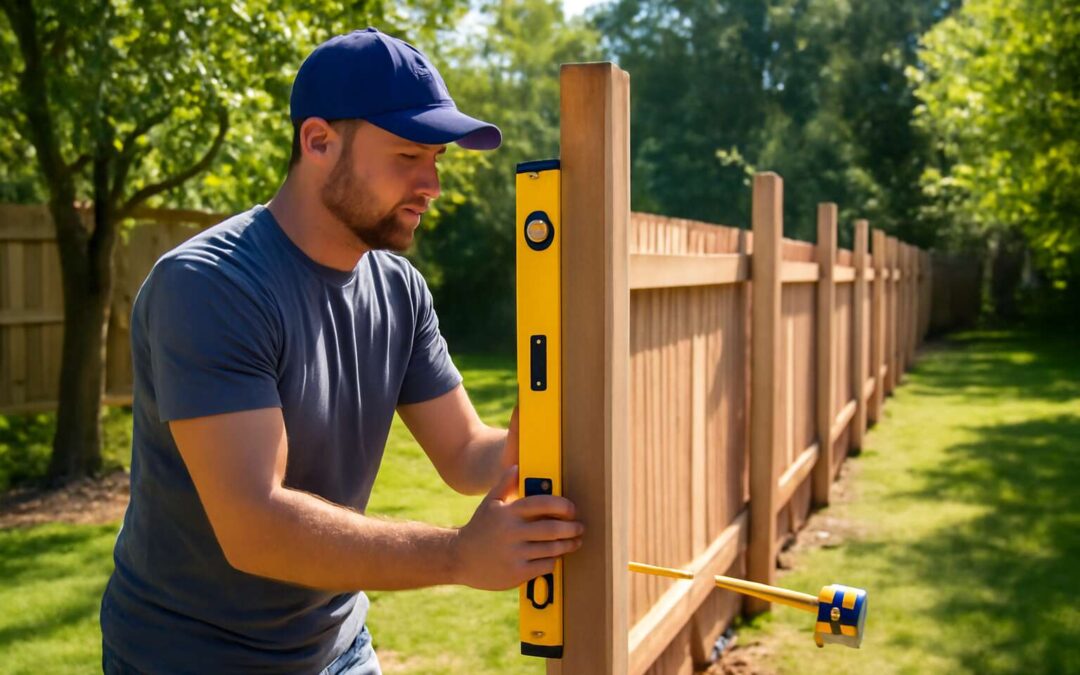
Fencing Poles Installation Experts
Scope of Work for Pole Installers
In the shadowed paths where iron meets earth, fencing poles builders are drawn into a precise ritual. A reliable fence begins with the ground, and the scope of work for pole installers is a map: survey the terrain, choose durable timber or steel, and set lines true with laser or plumb. In South Africa’s wind-swept plains and coastal pockets, alignment is not optional—it’s survival.
For fencing poles builders, the routine includes:
- On-site survey and safety planning
- Precise pole placement, leveling, and anchoring
- Material handling, storage, and weatherproofing
- Post-installation alignment checks and quality control
In a land where wind bends metal and stone, the pole installers deliver a quiet alignment that makes every fence a sentinel.
Popular Service Packages
The wind writes the truth of a fence in a single breath, and our poles stand as its quiet punctuation across South Africa’s plains and coastlines. When you hire seasoned installation specialists, you invite reliability that refuses to bend.
For fencing poles builders, popular service packages are crafted like constellations—clear, dependable, and tuned to the needs of every terrain.
- Standard Grounding & Alignment
- Coastal Wind-Resistant Package
- Premium Long-Run Installation & Maintenance
From the first line to the final touch, our teams speak in measured steps and exact plumb, ensuring every fence becomes a sentinel against wind and time. In a landscape where horizons tilt, craftsmanship and stewardship walk hand in hand, turning posts into prose and fences into promises.
Professional Qualifications and Certifications
“Craft and precision bind a fence to the land,” says a veteran installer. For fencing poles builders in South Africa, credentials are the warranty that stands when the wind tests a line.
Installation experts carry professional qualifications and certifications that prove their craft—SAQA-aligned trade certificates, municipal compliance, and continuing training in wind loading, soil types, and plumb accuracy.
- SAQA-accredited qualifications in fencing or construction
- Site safety and first-aid training
- Public liability and professional indemnity coverage
- Compliance with SANS/SABS standards and local permits
With such credentials, clients gain peace of mind that every post stands firm against SA’s varied climates.
Project Timelines and Milestones
Across South Africa, a solid fence is as much a testament to time as it is to terrain. A recent industry snapshot shows that projects with a clear milestone plan stay on track far more often than those left to chance. For fencing poles builders, timelines aren’t afterthoughts—they shape every cut, every notch, and every careful plumb check as winds pick up.
- Site access and layout confirmation
- Material procurement and delivery scheduling
- Post setting, plumb, and alignment verification
- Wind-loading checks and fastener torque milestones
- Final inspection, client walkthrough, and sign-off
Weather swings, permitting delays, and soil surprises can derail even the sturdiest crew. By anchoring the job to milestones, clients experience transparency and confidence from the first site test to the final handover.
Pole Materials and Specifications
Wood, Metal, and Composite Poles: Pros and Cons
A third of fence failures trace back to material choice, and in South Africa that translates into costly repairs after weather and termites bite. Wood, metal, and composite poles each carry a different promise of longevity and maintenance. For fencing poles builders, understanding these trade‑offs upfront saves time and keeps projects steady!
Wood brings a natural look and easy installation, but rot and insect damage can spike upkeep. Metal poles resist bending and last longer in harsh climates, yet corrosion protection and heat management matter. Composite poles offer moisture resistance and minimal maintenance, usually at a higher upfront cost.
- Wood: Pros — affordability, easy handling; Cons — rot, pests, refinishing
- Metal: Pros — strength, longevity; Cons — corrosion risk, galvanic issues
- Composite: Pros — rot/weather resistance, low maintenance; Cons — higher upfront cost
Choosing Pole Diameter and Length
A third of fence failures trace back to material choice, and in South Africa that translates into costly repairs after weather and termites bite. For fencing poles builders, pole diameter and length aren’t mere measurements; they shape stiffness, load tolerance, and how the pole anchors in sun-baked soil!
Consider these non-negotiable factors for pole diameter and length:
- Pole diameter should match fence height and wind exposure
- Pole length must reach stable depth in your soil profile
- Material type influences how much extra length is needed for fastening hardware
In the end, the specs align with climate, soil, and budget, keeping projects steady and the build honest.
Pole Treatments for Weather Resistance
A third of fence failures come down to material choice—and in South Africa that means costly repairs after weather and termites bite. For fencing poles builders, materials and weather-ready designs aren’t afterthoughts; they set the tempo for strength, lifespan, and a smooth install even in sun-baked soil.
Pole materials matter as much as the hardware that anchors them. Wood holds charm and cost efficiency but needs proper treatment; metal resists decay but conducts heat; composites trade maintenance for stiffness.
- Pressure-treated timber or coated timber for ground exposure
- Galvanized or powder-coated steel for salt-laced SA coastal zones
- Composite blends with weather-resistant resins for termite resistance
And that treatment layer matters—modern preservatives and sealants coexist with clever anchors to weather storms and sun. Climate, soil, and budget steer every specification, keeping projects steady and the build honest.
Sourcing Standards and Sustainability
A third of fence failures come down to material choice—and that begins at sourcing. For fencing poles builders, what sits in the ground shapes strength as much as what anchors it. Thoughtful material selection meets climate, soil, and budget with grace, turning a sun-scorched yard into a durable, low-maintenance boundary.
Standards and sustainability matter as much as the timber itself. Key sourcing standards to pursue include:
- Certified sustainable timber from reputable South African mills
- Fully traceable, local supply chains
- Low-emission finishes and, where suitable, recycled-content composites
Choosing pole materials through this lens keeps projects honest and neighbors pleased. Transparent sourcing supports soil health and community pride, a touchstone across South Africa.
Local Expertise and Hiring Decisions
How to Locate Local Fencing Specialists
A brisk stat cuts through the SA fencing scene: 63% of homeowners report better outcomes when hiring local specialists. Local expertise matters because weather, soil, and permit quirks vary from suburb to suburb. When choosing a team, think beyond price and timelines—look for neighbours who understand your area’s unique challenges. The right fit can empower fencing poles builders to deliver durable, aesthetically pleasing results that stand up to heat, rain, and wind.
Here are practical steps to locate experienced local fencing specialists:
- Registration with local authorities and relevant fencing associations (baseline expectation)
- Reviews from nearby clients and a portfolio of nearby projects
- Insurance coverage, warranty terms, and on-site supervision practices
With these cues, you’ll discern who truly belongs in the neighbourhood roster. A local contractor’s responsiveness, transparency, and ability to adapt pre-empt delays and foster a project that feels seamless from first contact to final alignment.
Budgeting: Quotes, Labor, and Materials
A brisk stat cuts through SA fencing chatter: 63% of homeowners report better outcomes when hiring local specialists. Local expertise matters because weather, soil, and permit quirks vary from suburb to suburb. When choosing a team, look beyond price and timelines—transparency in a budget that breaks down quotes into labor, materials, and contingencies. The right fencing poles builders bring a grounded understanding of your area and can forecast snags before a shovel hits the earth, saving time and budget headaches!
- Labor hours and rates
- Material choices and durability
- Delivery and site cleanup costs
- Warranty terms and supervision practices
Budgets that actually align with reality show that itemised quotes and straightforward warranty language are common expectations. A solid budget reflects line items for labor hours and rates, material choices and durability, delivery and site cleanup costs, and warranty terms plus supervision practices.
Warranty, Maintenance, and Aftercare
Local expertise isn’t a luxury—it’s a warranty multiplier. In SA, homeowners who hire fencing poles builders report smoother installs and fewer post-install surprises, thanks to knowledge of local soil, weather, and permit quirks. That grounded perspective helps forecast snags before a shovel hits the earth and keeps timelines honest.
When you hire, demand transparency: clear warranty terms and straightforward aftercare. A dependable team outlines maintenance expectations and sticks to them.
- Workmanship warranty duration
- Materials warranty specifics
- On-site response time
- Seasonal inspections and basic upkeep
Maintenance and aftercare tailored to South Africa’s climate protect your investment: rust and rot prevention, termite safeguards for timber, and regular checks that catch wear early. Local partners keep your fence looking sharp for years to come.
Permits, Codes, and Compliance
South Africa’s fence that lasts begins with local wisdom. In SA, about 65% of fencing projects stall at permit checks or code quirks, not at the point where soil meets steel. That truth makes local expertise feel less like advantage and more like a warranty multiplier.
When you hire fencing poles builders, you’re choosing partners who read the land—soil, climate, and municipal quirks—before a shovel touches the earth. They forecast snags, align with council expectations, and keep timelines honest.
Key considerations often surface early:
- Permits and approvals
- Codes and compliance planning
- On-site liaison and inspections
Local know-how protects your investment with smooth coordination, transparent documentation, and workmanship that respects South Africa’s unique landscape.
Checking References and Case Studies
Local wisdom isn’t a footnote; it’s the backbone of a fence that lasts. When you hire fencing poles builders, you’re choosing people who read the land—soil conditions, climate shifts, and SA’s municipal rhythms—before a shovel meets the ground. They forecast snags, align with council expectations, and keep timelines honest.
To verify that capability, check references and case studies. A solid team of pole builders will connect you with past clients who faced similar soils and weather. Look for projects of comparable scope and ask how they handled delays, changes, and on-site coordination.
- References from projects with similar soil and fence specs
- Case studies detailing timelines and how obstacles were overcome
- Before-and-after photos and site notes
This due diligence isn’t a luxury; it’s the quiet backbone of protecting your investment against Cape winds and changeable seasons.
Installation Best Practices and Maintenance
Site Preparation and Safety Protocols
“Measure twice, cut once”—a mantra etched in the minds of fencing poles builders. In South Africa, installation is as much about reading the land as chasing symmetry: lines that sing true, posts that feel grounded, and a fence that withstands sun, rain, and the occasional braai gust.
When it comes to Installation Best Practices and Safety Protocols, the discipline is quiet but unyielding. Alignment, plumbness, and sensible material choices anchor the project, while safety culture treats PPE as non-negotiable and the worksite as a place for calm, deliberate momentum.
- Clear work zones and essential PPE
- Utility awareness and boundary respect
- Quality checks and traceability
The bottom line: fencing poles builders flourish with thoughtful preparation and disciplined upkeep, turning rugged terrain into durable boundaries.
Installation Techniques and Tools
“A fence is a map of the land,” says a veteran pole installer, and in South Africa that map is read with the patience of a storyteller. Fencing poles builders who respect the ground and light know a line true to wind and a post plumb will age gracefully. The setup—square corners, solid backfill, steady seating—pays dividends when the seasons change.
A focused toolkit keeps the job steady:
- Line level or laser for true alignment
- Post-hole digger or auger for clean holes
- Protective coatings to deter weather and rust
Maintenance mindset is the quiet partner—occasional tightening, checking for ground movement after heavy rains, and touch-up coating to fend off sun-damaged timber, ensuring the boundary endures.
Maintenance, Inspections, and Longevity
Where land and legend meet, a fence becomes a living compass. In South Africa’s open vistas, fencing poles builders treat installation as a pact with the soil—true alignment, a wind-laced plumb line, and timber that ages with grace. The field offers no shortcuts; the post stands honest when the ground speaks softly back.
Maintenance and inspections are the quiet guardians of longevity, ensuring the boundary remains a steadfast sentinel through seasons and sun.
- Visual integrity: check straightness, warp, and coating wear at a glance
- Ground movement: observe settling hints after heavy rains and adapt without drama
Longevity is earned through patient stewardship—timber, metal, or composite—paired with mindful inspection and respectful backfill. When the line holds true, the boundary remains a quiet, lasting witness to the land it fences.
Troubleshooting Common Issues
Beyond the open South African veld, installation becomes a pact with the earth itself. Fencing poles builders treat each stake as a vow—set plumb to the wind, align with the land’s heartbeat, and coax timber to age with quiet dignity. Posts rise as quiet sentinels, listening to the soil’s slow whispers.
Here are Installation Best Practices, whispered by fencing poles builders:
- Keep lines true with a calm, unwavering plumb
- Ensure backfill remains well-drained and unconstrained
- Seal ends and treat wood to resist moisture
- Choose hardware resistant to local climate and soils
Maintenance Troubleshooting Common Issues arrive as weathered whispers: a leaning post, a bowed rail, or fading coating. The response is measured—reassess alignment, mind drainage, and observe moisture’s effect on timber.