
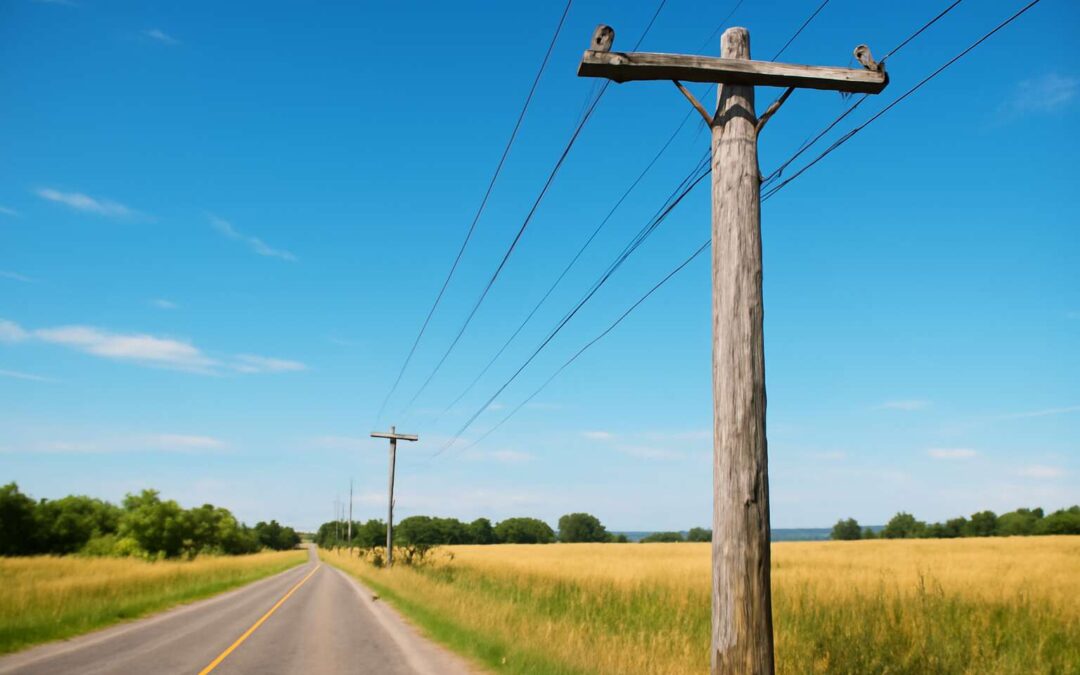
Understanding Telephone Pole Lifespan
Key Factors Influencing Pole Longevity
Across South Africa’s diverse climates, utility poles face sun, heat, rain, and the occasional storm. Industry norms peg a typical lifespan at 30 to 40 years under steady conditions, yet the question lingers: how long will telephone poles last in your corridor? The answer is not a single number but a reflection of environmental forces and human stewardship shaping each pole’s fate.
Several factors influence longevity, from the harsh drama of climate to the quiet rot that begins at the micro level. One observes how environmental exposure—UV radiation, moisture cycles, termites—tests wood and hardware. The timber’s treatment, species, and the quality of installation also write the pole’s story, while ongoing maintenance and regular inspections catch problems before they cascade.
Ultimately, longevity is a marriage between nature’s temperament and human foresight—a quiet, stubborn resolve to keep communities connected once the spark of infrastructure is lit.
Typical Lifespan by Material and Grade
South Africa’s infrastructure wears a patient crown that glows in heat and rain. Industry norms peg a typical lifespan at 30 to 40 years, yet the corridor you depend on defies neat arithmetic. The poles endure more than weight; they listen to wind and time in a whispering pulse. So, how long will telephone poles last?
Understanding lifespan by material and grade paints the full picture. Timber poles vary with species, treatment, and how they were installed. Here’s a concise guide, drawn from industry norms and local practice:
- Treated pine: 25–40 years
- Hardwood: 40–60 years
- Steel: 70–100 years
- Concrete: 60–100 years
By grade, premium poles resist rot longer; lower grades yield earlier quiet decline. In the end, the poles’ age is a ledger kept by weather and care—South Africa’s landscapes demand a long view.
Environmental Impacts on Durability
In South Africa, durability meets climate in a stubborn handshake, and the question how long will telephone poles last keeps surfacing in planning rooms and field sites alike.
Environmental impacts on durability matter as much as the raw material. Sun, moisture, and wind constantly test poles; termites and fungi creep in where moisture persists; and urban pollution can accelerate aging. The result is a durability arc that bends with local conditions rather than a universal timetable. When we map this out, the focus shifts from singular numbers to resilience in context.
- UV exposure and drying cycles
- Moisture and soil conditions
- Wind load and temperature swings
- Biological threats like wood decay and insects
- Coastal salt spray and air pollutants
Ultimately, how long will telephone poles last depends on integrating environmental realities with treatment and maintenance strategies.
Identifying Early Signs of Wear or Damage
Across South Africa, a well-tended pole can push into its third decade, while neglect halves the likely service life. The question how long will telephone poles last is less a fixed clock and more a negotiation with climate, maintenance, and timing.
Understanding lifespan starts with reading the wood’s story. Look for early markers that tell a different tale than the calendar.
- Cracks that run along the grain
- Soft, spongy pockets in sapwood
- Visible decay at the base or joints
- Unusual tilting or movement
These signs echo environmental stress—sun, moisture, insects, and soil conditions—without turning into a single number. The poles answer in context: some locations preserve wood much longer, others fade quickly.
Durability hinges on timing, texture, and the unseen work inside the wood. In the end, where a pole sits defines longevity more than any single test.
Materials, Treatments, and Standards for Longevity
Wood Selection and Treated Poles
Across South Africa’s climate—hot, windy, and occasionally brutal—the answer to how long will telephone poles last isn’t guesswork. With the right materials, treatment, and standards, decades of service are realistic and cost-effective!
Materials play the lead role. SA commonly uses durable softwoods such as Pinus patula and eucalyptus species chosen for straight grain, low defect, and predictable drying. Selecting timber with natural heartwood resistance and lower moisture at harvest boosts longevity.
- Species origin and grain quality
- Moisture content at treatment
- Preservative type and retention
Treatments drive performance. Poles are pressure-treated to push preservatives into the wood, guarding against fungi and termite attack. Modern SA practice blends waterborne systems with traditional compounds, with retention and penetration measured to meet standards.
Standards guide reliability. Look for poles certified to South African Standards (SABS) and utility specifications, ensuring proper penetration, moisture compliance, and defect avoidance for long-term durability.
Concrete and Steel Alternatives
In South Africa’s climate, concrete and steel poles wear a different armour than timber. Longevity hinges on engineered mixes, corrosion-resistant reinforcement, and protective barriers that shrug off heat and wind. how long will telephone poles last? It’s a design question, not luck.
Treatments drive performance. Poles receive moisture barriers and anti-corrosion coatings to fend off fungi, rot, and fate’s termites. SA conditions demand compatibility with the surrounding environment and reliable preservative retention.
- Materials: high-strength concrete, corrosion-resistant steel, and fiber-reinforced polymers
- Treatments: protective coatings, moisture barriers, galvanization
- Standards: SABS, utility specifications, testing protocols
Standards guide reliability. Certifications ensure proper penetration, coating thickness, and moisture compliance, transforming long-term performance into predictable, cost-effective realities for South African networks.
Coatings, Preservatives, and Treatments
In the SA climate, longevity begins with materials: high-strength concrete, corrosion-resistant steel, and fiber-reinforced polymers. These choices help answer how long will telephone poles last—not by luck, but through engineered resilience and load control. South Africa’s seasonal heat and soil composition demand predictability and endurance.
Treatments drive performance. Poles receive moisture barriers and anti-corrosion coatings to fend off fungi and rot while withstanding termites and sun exposure. Protecting timber is a chemistry and a care routine, where barrier systems and compatible preservatives make the difference.
- protective coatings
- moisture barriers
- galvanization
Standards guide reliability. Certifications ensure proper penetration, coating thickness, and moisture compliance, turning long-term performance into predictable, cost-effective realities for South African networks. Adherence to SABS, utility specifications, and testing protocols builds trust across the grid.
Standards and Classification for Longevity
Materials form the first note of resilience. In South Africa’s heat and varied soils, high-strength concrete, corrosion-resistant steel, and fiber-reinforced polymers grant longevity. These choices shape load paths and moisture responses, and experts see them sustain the longest droughts, illuminating how long will telephone poles last.
Treatments drive performance. Poles receive moisture barriers and anti-corrosion coatings to fend off fungi and rot while withstanding termites and sun exposure. Protecting timber is a chemistry and a care routine, where barrier systems and compatible preservatives make the difference.
- protective coatings
- moisture barriers
- galvanization
Standards guide reliability. Certifications ensure coating thickness, moisture compliance, and proper penetration, turning long-term performance into predictable realities for South African networks. Adherence to SABS, utility specifications, and testing protocols builds trust across the grid.
Installation Practices That Extend Life
South Africa’s blistering sun and jagged soils push pole materials to the edge. Longevity isn’t luck—it’s engineered. With the right mix of durable cores and smart composites, we see longer service life, and the big question—how long will telephone poles last—begins to look predictable rather than hopeful. Material choice sets the baseline for resilience.
Treatments drive performance. Poles gain moisture barriers, anti-rot coatings, and termite resistance through barrier chemistry and careful preservative selection. A simple trio, when applied correctly, translates into years of dependable service.
- protective coatings
- moisture barriers
- galvanization
Standards guide reliability. Clear certifications, defined coating thicknesses, and verified moisture control turn long-term performance into a predictable reality for networks. Compliance with local standards and utility specs keeps the grid honest and the poles standing through droughts and storms.
Maintenance, Inspections, and Proactive Care
Regular Inspection Schedules and Tools
Pole longevity isn’t a roll of the dice; it’s a ledger of discipline. In South Africa, utilities that commit to regular maintenance report fewer outages and poles that endure longer—sometimes extending life by as much as 40%.
Maintenance is the quiet art of infrastructure care: tighten hardware, clear encroachment, and attend to signs of wear before they deepen.
Inspections set the tempo. Regular schedules—annual checks in stable climates, more frequent reviews in flood-prone zones—turn data into durability. The right tools sharpen the forecast: moisture meters, infrared cameras, borescopes, and compact drones. The question—how long will telephone poles last—drives every inspection.
To translate this cadence into action, a minimal proactive care routine helps turnover wear before it becomes risk.
- Scheduled visual inspections on a defined cadence
- Moisture content and decay checks in vulnerable timbers
- Fastener integrity and base condition reviews
- Comprehensive repair recording for trend analysis
Preventive Maintenance Techniques
Maintenance isn’t glamorous, but it pays in reliability. Utilities that commit to regular upkeep in South Africa show fewer outages and longer-lived poles, and these questions about how long will telephone poles last shape maintenance thinking.
Inspections set the tempo. Regular reviews turn data into durability, guiding repairs before signs of weakness become outages. In South Africa, a defined cadence yields fewer interruptions and more dependable poles.
Proactive care treats wear as forecastable, not random. It relies on meticulous repair records to spot trends and predict budgeting needs, keeping the network stable long after commissioning.
Record-Keeping and Lifecycle Planning
Maintenance isn’t glamorous, but it’s the workhorse keeping lines up! I’ve seen poles endure decades when routines stay steady. In South Africa, regular upkeep translates to fewer outages and longer pole life.
Inspections set the tempo. They turn data into durability and guide repairs before signs of weakness become outages. In South Africa, a defined cadence yields fewer interruptions and more dependable poles.
- Visual checks for cracks, rot, or insect damage
- Tightness of connections and hardware corrosion
- Environmental wear indicators and soil conditions
Proactive care treats wear as forecastable, not random. It relies on meticulous repair records to spot trends and predict budgeting needs, keeping the network stable long after commissioning. That answer — how long will telephone poles last — rests on meticulous record-keeping and lifecycle planning.
Regional and Use-Case Considerations
Geographic Climate and Soil Conditions
In South Africa, ‘Pole lifespans are written in soil and sun,’ a veteran lineman likes to say. Regional climates and soil conditions can sharpen or dull longevity, turning a 25-year expectation into a stubborn reality. The question of how long will telephone poles last shifts with moisture, temperature swings, and soil chemistry; coastal sands, inland clays, and termite activity all write the story on the ground.
Coastal zones versus inland plains demand different resilience. The following regional factors frequently drive durability in South Africa:
- Salt spray and humidity near the coast accelerate decay in wooden poles and corrosion in metal fittings.
- Heat and rapid cooling cycles inland stress timbers, increasing checks and splits.
- Soil moisture and drainage affect pole stability and rot risk, especially in clay or laterite soils.
- Termite pressure and soil organisms vary by region, altering wood performance.
Ultimately, the question remains: how long will telephone poles last in these settings?
Urban vs Rural Deployment and Load Requirements
Pole lifespans are written in soil and sun,” a veteran lineman likes to say, and I’ve seen that truth in the bend of a coastal pole and the stubborn straightness of inland trunks. Urban grids push more circuits through shorter spans, while rural routes bear longer runs and harsher seasonal tests. So, how long will telephone poles last in these settings?
Regional deployment paints a different wear profile. Urban corridors demand compact spacing and frequent maintenance, while rural feeders contend with longer spans and open exposures. Consider these use-case realities:
- Urban corridors: higher line density and coastal pockets facing salt spray and humidity.
- Rural corridors: longer spans, wind exposure, and vegetation management challenges.
A common thread across the landscape is load demand—neatly balancing safety with reliability as communities grow and ages-old trees lean into the next season.
Environmental Risks: Flooding, Pests, and Fire
“Pole lifespans are written in soil and sun,” a veteran lineman likes to say. In South Africa’s flood-prone pockets, how long will telephone poles last is as much about moisture and soil as about wind and span.
Regional rhythms shape wear: urban grids push through coastal salt spray and humidity; rural routes brace longer spans and harsher exposure. The question remains: how long will telephone poles last? Flooding, pests, and fire—the triad of environmental risks—drive decay and coating wear long before age marks show on the pole.
- Flooding and water saturation weaken cores and promote rot.
- Pests such as termites and wood borers accelerate decay.
- Fire exposure and heat cycles stress coatings and preservatives.
Economic and Policy Impacts on Lifespan
Regional markets sculpt pole lifespans as climate does. In South Africa’s coastal pockets, salt spray gnaws coatings; inland routes bear longer spans and tougher soils. So, how long will telephone poles last? The answer hinges on policy, funding, and supply chains as much as on wood and preservative.
- Budget cycles shape renewal timing and funding.
- Procurement rules affect materials and continuity.
- Resilience standards drive inspection and upkeep.
In South Africa, policy and funding shape pole endurance. I’ve watched budgets swing with droughts and floods, and the effect on poles is real. When investment aligns with risk, longevity climbs; when pressures bite, decay accelerates.