
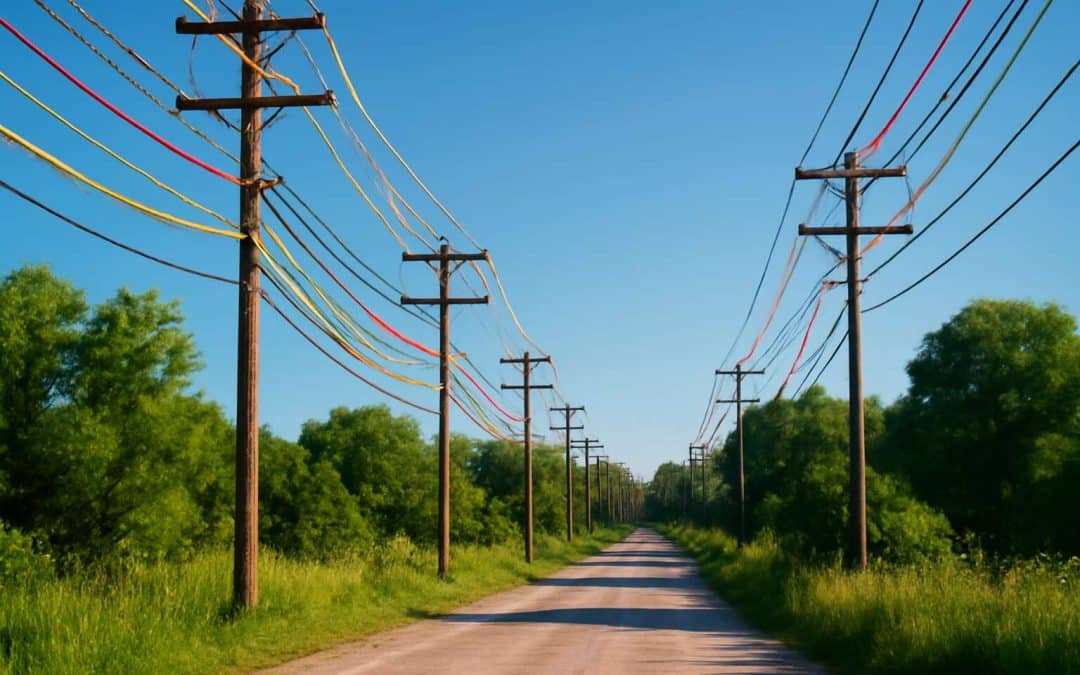
Historical Evolution of Telecommunication Infrastructure
Origins of Telephone Poles – Historical development and early adoption of telephone poles
The origins of telephone poles trace back to a time when civilisation was captivated by the promise of instant communication. In the late 19th century, as the telephone revolutionised connectivity, a practical infrastructure was needed to support this burgeoning network. The solution? Tall wooden poles, often crafted from locally available timber, sprouted up along city streets and rural lanes alike. Their humble beginnings marked a significant leap in telecommunications, transforming the landscape—literally.
Initially, these poles were a temporary expedient, yet their durability and adaptability ensured their longevity. Over the decades, advancements in underground cabling have emerged, but the telephone pole persisted for reasons both pragmatic and economic. To understand why do telephone poles still exist, one must consider their resilience and cost-effectiveness. For example, many rural areas lack the infrastructure for underground wiring, making poles the most feasible option. They remain the backbone of not just telephone lines, but also power and internet cables, threading through our communities with a quiet efficiency.
Transition from Poles to Modern Infrastructure – The shift towards underground cables and modern technologies
The evolution of telecommunication infrastructure is a story fraught with innovation and adaptation, yet one question remains surprisingly persistent: why do telephone poles still exist? As technology advanced, the shift towards underground cables gained momentum, promising a cleaner, more reliable solution. However, beneath the surface of these modern upgrades lies a complex reality.
While underground wiring offers undeniable advantages—such as reduced exposure to weather and aesthetic appeal—it is not universally feasible. In many areas, particularly rural communities, the cost and logistical challenges of burying cables remain prohibitive. This is where the resilience of traditional telephone poles becomes evident, continuing to serve as vital conduits for power, internet, and communication lines.
Interestingly, modern telecommunication infrastructure often employs a hybrid approach, blending underground cables with above-ground poles. This method maximises efficiency and reduces costs, but also raises the question: in the face of technological progress, why do telephone poles still exist? The answer is rooted in practicality, durability, and the sheer unpredictability of environmental factors. Sometimes, the simplest solutions endure the longest, especially when they’re built from locally sourced, sustainable materials—like timber—that have stood the test of time.
Advantages of Traditional Poles in Historical Context – Why they were the preferred method historically
Back in the day, before fibre optics and sleek underground conduits, telephone poles reigned supreme. They were the backbone of early telecommunication infrastructure, transforming the landscape and connecting communities in a way that was both practical and surprisingly poetic. In those times, the advantages of traditional poles were clear: they were quick to install, relatively inexpensive, and adaptable to the varied terrain of rural and urban areas alike.
Historically, telephone poles were favoured because of their simplicity and resilience. Unlike underground cables, which require extensive digging and costly trenching, poles could be erected swiftly, often with locally sourced timber that was both abundant and sustainable. They also provided a straightforward solution for scaling infrastructure—adding more lines or upgrading was as simple as attaching new wires to existing poles. This flexibility was key when communication networks were still in their infancy, making poles the preferred method for wiring across sprawling landscapes.
Technically speaking, the durability of wooden poles—especially when maintained properly—meant fewer outages and easier repairs. Plus, the ability to elevate cables above potential hazards like flooding, snow accumulation, and curious wildlife meant fewer interruptions and a relatively low-maintenance operation. When considering why do telephone poles still exist, it’s these historical advantages—cost-efficiency, adaptability, and durability—that continue to make them relevant in a modern world that’s obsessed with sleek, underground solutions.
Current Practical Reasons for the Persistence of Telephone Poles
Cost-Effectiveness of Maintenance and Installation – Economic factors favoring existing poles
Despite the relentless march of modern infrastructure, the question of why do telephone poles still exist remains surprisingly relevant. It turns out, these ageing giants continue to be the backbone of our aerial communication networks for a reason—cost-effectiveness.
Maintaining and installing new underground cables often demands a hefty financial commitment, including digging up entire streets and navigating complex permits. Telephone poles, on the other hand, are a convenient, low-cost solution that already dot the landscape. Their ability to be upgraded or maintained without major disruption makes them a resilient choice.
Furthermore, they provide a flexible platform for various utilities—think power lines, internet, and even streetlights—all in one handy vertical package. This multipurpose utility contributes significantly to their continued presence, making them an economic darling in the realm of infrastructure. So, when pondering why do telephone poles still exist, it’s primarily a matter of practicality and fiscal prudence—stubbornly enduring in a world obsessed with sleek, underground aesthetics.
Ease of Access and Repair – Simplified maintenance compared to underground systems
In a landscape dominated by sleek underground cables and cutting-edge fibre optics, the question lingers—why do telephone poles still exist? Surprisingly, their enduring presence hinges on a simple yet vital factor: ease of access and repair. Unlike underground systems, which often require extensive excavation and complex troubleshooting, telephone poles offer a straightforward vantage point for maintenance crews. A technician can ascend a pole with relative ease, inspect lines, and carry out repairs swiftly, avoiding the labyrinthine process of digging up streets or negotiating permits. This practicality minimises disruptions and reduces downtime, making poles an efficient choice for maintaining reliable communication networks.
Another compelling reason is their modular nature. When a fault occurs, pinpointing the problem and executing repairs is far less invasive. Instead of waiting for lengthy underground excavation, crews can simply replace or repair damaged sections right on the spot. This simplicity not only saves time but also curtails costs, reinforcing why do telephone poles still exist as a cornerstone of our infrastructure. In an era obsessed with technological innovation, these sturdy structures remain a symbol of pragmatic resilience—an accessible, cost-effective solution in a world increasingly fixated on the underground aesthetic.
Flexibility and Scalability – Adapting to network expansion and upgrades
In an era where fibre optics and sleek underground conduits are the darlings of modern infrastructure, the humble telephone pole continues to stand tall—literally and figuratively. One core reason why do telephone poles still exist? It’s their unmatched flexibility and scalability. As network demands grow and technology evolves at a breakneck pace, these poles serve as adaptable scaffolding, allowing for quick upgrades without tearing up the entire landscape.
Unlike buried cables, which often require costly trenching and disruptive excavations, telephone poles can easily accommodate new lines or upgrade existing ones. For instance, adding fibre optic lines or expanding broadband capacity becomes a matter of hanging a few cables rather than undertaking a complex underground project. This adaptability ensures that service providers can respond swiftly to increasing demands, making telephone poles a pragmatic choice in the ongoing expansion of communication networks.
Furthermore, their modular nature lends itself to incremental improvements. With
- simple attachment points
- easy access for technicians
upgrading infrastructure is less of a logistical nightmare. This natural scalability keeps maintenance costs manageable and minimizes service interruptions. It’s a straightforward, cost-effective approach that keeps the core of our wired world accessible, even as the digital landscape continues to evolve at a dizzying pace.
Technological Factors Influencing the Use of Telephone Poles
Compatibility with Existing Infrastructure – Integrating new technologies with old poles
In a world racing towards sleek, underground infrastructure, the question of why do telephone poles still exist remains surprisingly relevant. These venerable sentinels of connectivity have evolved alongside technological advancements, showcasing a remarkable compatibility with existing infrastructure. Integrating new technologies with old poles isn’t just about nostalgia; it’s a strategic move that leverages their established presence and accessibility.
One of the key technological factors supporting this continuity is the ease with which modern equipment can be mounted on traditional poles. For example, fibre optic cables and wireless transmitters can be attached with minimal upheaval, often using existing hardware. This adaptability allows network providers to expand coverage swiftly without the costly and disruptive process of underground cable installation. Moreover, the straightforward access to these poles simplifies routine maintenance and repairs, reducing downtime and operational costs.
As technology advances, a nuanced balance emerges—leveraging the compatibility of telephone poles with new innovations while maintaining the scalability and flexibility essential for future network growth. This ongoing synergy underscores why do telephone poles still exist and remain an integral part of our communication landscape.
Limitations of Underground Cabling – Challenges and costs associated with underground installation
Underground cabling may seem like the future—sleek, unobtrusive, and resilient against the elements. Yet, the challenges and costs associated with underground installation often make it an impractical choice for many communities. The process is complex, requiring extensive excavation, specialised equipment, and careful planning to avoid disrupting existing underground utilities. This upheaval can stretch costs into the millions, especially in densely populated urban areas where infrastructure is already intricate.
Furthermore, underground systems are vulnerable to natural disasters such as flooding, earthquakes, and ground movement. When damage occurs, repairs are costly and time-consuming, often taking weeks to restore full service. In contrast, traditional telephone poles provide a visible, accessible solution that can be repaired swiftly. For many regions, this durability and cost-effectiveness are compelling reasons why do telephone poles still exist, especially when speed and flexibility are priorities.
- Cost of digging and laying underground cables
- Potential disruption to existing underground utilities
- Longer repair times after damage or failure
- Higher initial installation expenses
Ultimately, while underground cabling offers a modern aesthetic, the pragmatic realities of cost, repair, and resilience keep traditional telephone poles firmly rooted in our communication landscape. They remain an enduring symbol of connectivity—more than just relics, but vital components in the complex web of modern infrastructure.
Emerging Technologies and the Role of Poles – Development of wireless and fiber technologies
Technological evolution often leads us to believe that traditional telephone poles are relics of a bygone era. Yet, in the face of burgeoning wireless networks and fibre optic advancements, why do telephone poles still exist? The answer lies in their unique role within the broader communication ecosystem. Despite the rapid development of emerging technologies, these poles remain essential for bridging the gap between old and new infrastructure.
Wireless technology has revolutionised connectivity, but its reliance on a robust physical framework remains undeniable. Poles serve as vital anchor points for antennas, signal boosters, and fibre optic terminals, especially in areas where fibre rollout is still underway or economically unfeasible. They also facilitate the incremental expansion of network capacity—an advantage that’s hard to replicate with purely underground systems or satellite connections.
Moreover, the adaptability of telephone poles allows for quick upgrades and modifications. Unlike underground cables, which require invasive excavation, new equipment can often be added or replaced with minimal disruption. This flexibility is crucial during rapid technological shifts, ensuring that communication networks evolve without the need for complete infrastructure overhauls. For example,
- adding new fibre lines
- installing wireless transmitters
can be achieved efficiently, reinforcing why do telephone poles still exist in modern settings.
In essence, these poles offer a resilient, scalable, and cost-effective backbone that complements emerging technologies, ensuring a seamless transition in the ever-evolving landscape of communication infrastructure. They stand as silent sentinels—integral to maintaining connectivity, even amidst the surge of wireless and fibre innovations.
Geographical and Environmental Considerations
Rural and Remote Area Challenges – Difficulties and expenses of underground systems in rural regions
When pondering why do telephone poles still exist, the answer often hinges on the complex interplay between geography and environment. Rural and remote areas present unique hurdles that make underground systems less than practical—if not downright impossible. In these rugged terrains, the costs of excavation, stabilisation, and long-term maintenance skyrocket, turning what should be a straightforward upgrade into a logistical nightmare.
Environmental considerations only add fuel to the fire. Steep slopes, dense forests, and unpredictable weather patterns complicate underground cable installation. For example, a straightforward underground project in a mountainous region can easily spiral into an expedition of epic proportions, with expenses multiplying rapidly. The absence of existing infrastructure, combined with difficult terrain, often renders underground systems prohibitively expensive, reinforcing the continued reliance on traditional telephone poles.
- High costs of excavation and specialised equipment
- Environmental risks such as soil instability and water table issues
- Limited access for repairs without disrupting the landscape
All these factors make the humble telephone pole the unsung hero of rural connectivity—delivering reliable service where underground cables simply cannot compete. This enduring practicality is why, despite technological advances, the question of why do telephone poles still exist remains a matter of common sense for many remote communities.
Environmental Impact and Preservation – Minimizing environmental disruption
In the grand theatre of rural infrastructure, the question of why do telephone poles still exist resonates with a surprising clarity. These unassuming sentinels of communication often go unnoticed, yet their environmental footprint is modest compared to the chaos that underground systems could unleash. Environmental considerations play a pivotal role in their continued use, especially in terrains where delicate ecosystems demand gentle handling. Telephone poles, with their straightforward installation and minimal disturbance to the landscape, stand as a testament to ecological prudence—minimising environmental disruption while maintaining connectivity.
Steep slopes, dense forests, and water table issues make underground cabling a logistical nightmare. The potential environmental impact of excavating through such terrains can be catastrophic—disrupting habitats and risking soil instability. For many remote communities, the environmental costs of underground infrastructure outweigh the benefits, reinforcing the practicality of traditional telephone poles. Their ease of access and repair, combined with the preservation of natural scenery, underscores why these poles remain a favoured choice in challenging environments.
Urban vs. Rural Deployment – Differences in infrastructure needs
When comparing urban and rural deployment, the stark contrast in infrastructure needs becomes glaringly obvious. Cities, with their dense population and extensive underground networks, often prioritise sleek, modern systems that minimise visual clutter. Yet, in the countryside, the question of why do telephone poles still exist remains a compelling puzzle. Rural terrains are riddled with natural obstacles—steep slopes, thick forests, and water table issues—that make underground cabling not just challenging but potentially catastrophic. The risk of soil destabilisation and habitat disruption outweighs the benefits of a seamless underground network.
In these remote environments, traditional telephone poles offer an unmatched advantage: simplicity. Their ease of installation allows swift deployment across difficult landscapes, ensuring connectivity without tearing up the landscape. For many rural communities, these poles are more than mere infrastructure—they are lifelines that blend into the environment, minimising ecological impact while maintaining essential communication links.
Regulatory and Property Rights Aspects
Ownership and Land Use Regulations – Legal considerations affecting pole placement
Legal frameworks and land ownership rights form a complex web that continues to influence why do telephone poles still exist. In many regions, the placement of these poles is governed by strict property rights, requiring agreements with landowners before installation or maintenance. These legal considerations often make underground cable deployment impractical, especially in rural areas or private estates. Additionally, land use regulations can impose restrictions on the number and positioning of poles, ensuring minimal disruption to local environments and property aesthetics.
Ownership rights are equally pivotal. Utility companies typically hold easements—legal rights to access and maintain the poles—without owning the land outright. This arrangement simplifies infrastructure management but also ties the future of pole-based networks to evolving legal landscapes. When upgrading or expanding networks, authorities and private firms must navigate these ownership rights carefully, often favouring existing infrastructure. Ultimately, the intricate legal and property rights landscape sustains the presence of traditional telephone poles, making them an enduring feature of our communication landscape.
Property Access and Rights of Way – Coordination between utility companies and property owners
The resilience of traditional telephone poles in our modern landscape is a testament to the intricate web of property rights and regulatory frameworks that govern infrastructure. As urban and rural areas evolve, the question persists—why do telephone poles still exist? The answer lies in the delicate balance between property access and the legal rights of utility companies to traverse private lands.
Utility companies often secure rights of way through easements, granting them legal access to maintain and expand their networks without owning the land outright. This arrangement simplifies the ongoing management of infrastructure but also anchors the presence of these poles within the fabric of our communities. When it comes to property access, coordination with landowners is essential, often involving detailed negotiations that respect property boundaries while ensuring connectivity.
In regions where underground cabling remains impractical—be it due to cost, terrain, or environmental considerations—these poles serve as steadfast conduits for communication and power. The enduring question of why do telephone poles still exist is answered by their unique ability to adapt seamlessly to network expansion, facilitate repairs, and integrate with existing infrastructure. Their presence is not merely a matter of tradition but a calculated response to the complex landscape of ownership, regulation, and technological evolution.
Future Outlook and Innovations
Transition Towards Underground and Wireless Solutions – Current trends and future prospects
As technological innovation accelerates at a dizzying pace, the question remains: why do telephone poles still exist? While the digital age urges us towards sleek underground cabling and wireless solutions, these towering structures continue to serve as vital arteries for our communication networks. The future outlook hints at a fascinating transition—one that balances tradition with cutting-edge advancements.
Emerging technologies, such as fibre optics and 5G wireless, are reshaping the landscape. Yet, the transition towards underground and wireless solutions is complex. In many rural and remote areas, underground systems face formidable challenges—costs escalate rapidly, and terrain often renders installation impractical. Meanwhile, wireless technologies are evolving swiftly, promising increased bandwidth and coverage. But the reliance on existing infrastructure, including telephone poles, remains a strategic choice for seamless scalability and rapid deployment.
- Cost and logistical feasibility in rural regions
- Integration of new wireless innovations with existing poles
- Environmental considerations and minimal disruption during upgrades
Ultimately, the continued reliance on telephone poles is a testament to their flexibility, ease of access for maintenance, and the intricate dance between modern innovation and practical necessity. As the landscape shifts, these steadfast structures still stand as silent witnesses to the ongoing evolution of communication technology.
Smart Poles and Integrated Technologies – Innovative uses of existing poles
In the fast-paced world of technological innovation, it’s almost amusing to ponder why do telephone poles still exist. Despite the allure of sleek underground cables and the promise of wireless connectivity, these steadfast structures remain a cornerstone of our communication infrastructure. As cities grow smarter and rural areas cling to tradition, the future of poles is evolving into something more than mere utility carriers—enter the era of smart poles and integrated technologies.
Innovative uses of existing poles are transforming them from simple supports into multifunctional hubs. For example, smart poles now host Wi-Fi hotspots, surveillance cameras, environmental sensors, and even electric vehicle charging stations. This integration of technology allows utility companies and municipalities to optimise infrastructure without the costly and disruptive process of installing new structures. It’s a clever way to leverage the existing network of telephone poles for a more connected, sustainable future.
- Enhanced connectivity with minimal environmental impact
- Streamlined urban planning by reducing the need for new infrastructure
- Increased resilience and adaptability for evolving tech demands
As the landscape shifts, the question “why do telephone poles still exist?” takes on new significance. These structures are no longer just relics of a bygone era but are becoming integral nodes in a futuristic, interconnected environment. With ongoing innovations in wireless and fibre optic technologies, telephone poles are poised to remain relevant—serving as silent sentinels in our quest for seamless communication.
Sustainability and Upgrading Existing Infrastructure – Environmental considerations for future upgrades
The future of communication hinges on a delicate balance between innovation and practicality. As technology leaps forward with fibre optic advances and wireless networks, one might wonder, “why do telephone poles still exist?” Surprisingly, these humble structures are evolving into vital components of an environmentally conscious infrastructure. Their adaptability allows for seamless upgrades, minimising ecological disruption and reducing the necessity for disruptive underground cabling projects.
Innovative approaches are propelling the transformation of traditional poles into multifunctional hubs. Smart poles now incorporate environmental sensors, 5G antennas, and even renewable energy sources like solar panels. This not only extends the lifespan of existing structures but also contributes to sustainability by decreasing the need for new construction. The real magic lies in their scalability; by upgrading the technology on existing poles, cities can expand connectivity rapidly without the ecological footprint associated with new infrastructure development.
- Enhancing resilience through modular technology upgrades
- Prioritising eco-friendly materials and renewable energy integration
- Leveraging existing rights of way to minimise environmental impact
Looking ahead, the role of telephone poles is set to become even more pivotal. With ongoing innovations in wireless technology, these structures will serve as the backbone of a smarter, greener network. Their durability and strategic placement make them ideal for future upgrades, supporting a sustainable vision that balances modern demands with environmental stewardship. The question of why do telephone poles still exist? is quickly answered by their unmatched ability to adapt, innovate, and serve as silent sentinels in our interconnected future.