
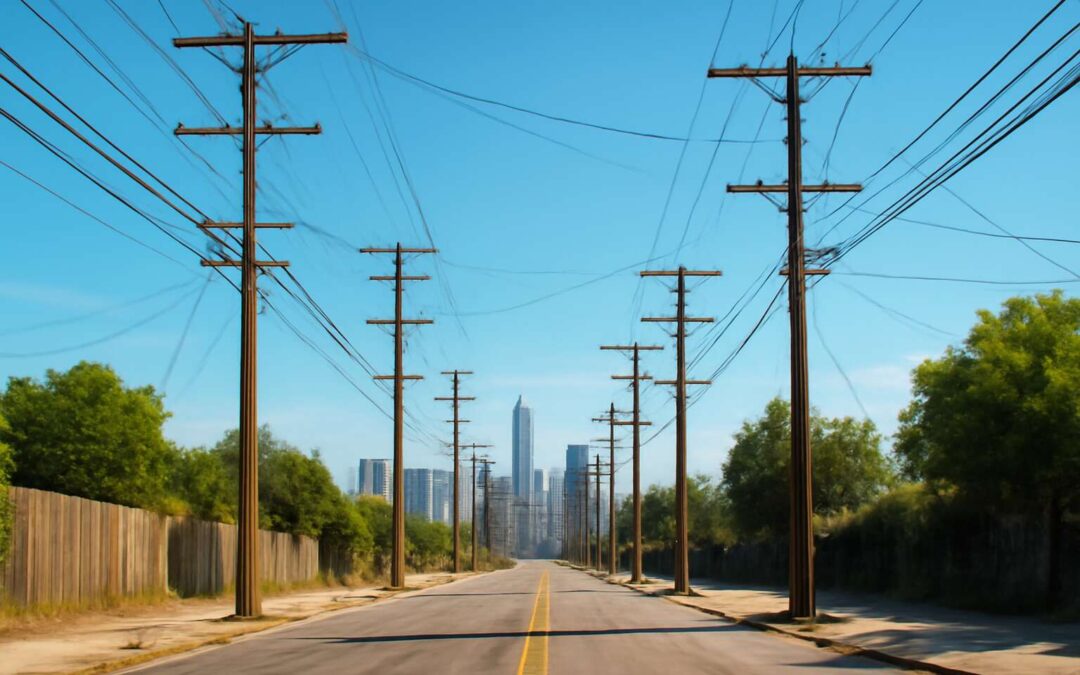
Kosher Certification and Standards for Telephone Poles
Across South Africa’s skylines, 62% of major utility projects now demand certified materials—a bold statistic that makes the ordinary wooden pole sing. Kosher telephone poles rise from the rack as emblems of trust, where every grain of timber is weighed by standards as exacting as liturgy and as steady as a metronome. Certification marks the path from forest to field, a promise kept in plain sight.
- Traceability from forest origin to pole installation
- Non-toxic timber treatment and preservation
- Independent third-party audits and labeling
- Clear, durable labeling for inspectors and customers
South African authorities and global equivalents converge on SABS-aligned practices, ensuring kosher telephone poles carry not only load but integrity. The standards breathe transparency into every crossing, every line, every neighbor’s quiet reassurance!
Material Sourcing and Kosher Compliance for Telephone Poles
A clean supply chain isn’t a luxury—it’s the backbone of kosher telephone poles in South Africa. We source timber only from certified partners, ensuring every plank passes ethical forestry checks and is traceable from forest to field. That means reliability on our skylines and peace of mind for communities!
Material choices matter: non-toxic treatments safeguard longevity without compromising safety, and independent audits keep labels honest. With rigorous supplier due diligence, the poles meet both technical and kosher expectations, keeping projects on track while protecting people and ecosystems.
Applications and Use-Cases of Kosher Telephone Poles
Kosher telephone poles aren’t just about certification—they’re about steady, dependable lines that communities can rely on. “Durability is a form of ethics,” says a utility engineer, and the sentiment rings true when mains, data networks, and emergency services depend on a clean, sturdy backbone. In South Africa, these poles quietly carry electricity, fibre, and public safety communications from urban centers to rural settlements.
Applications and use-cases include:
- Urban power networks and municipal lighting that stay bright during outages
- Rural electrification projects and telecommunication backbones
- Coastal zones and flood-prone areas where resilience saves lives
Whether it’s delivering power to clinics or carrying critical data for safety services, kosher telephone poles align infrastructure with community needs while respecting local ecosystems and cultural expectations.
Maintenance, Safety, and Longevity of Kosher Telephone Poles
Maintenance, safety, and longevity aren’t afterthoughts—they’re the spine of a reliable network, and kosher telephone poles prove it every day. In South Africa’s varied climate, these poles shrug off heat waves, wind, and the occasional thunderstorm, keeping lines tight and outages rare.
- Regular visual inspections for cracks, hardware wear, and insect damage
- Protective coatings and moisture barriers that stave off rot
- Proper tensioning, guying, and routine hardware checks to prevent sagging
- Storm-ready grounding and surge protection to minimize risk
Longevity comes from thoughtful design and steady care, not heroic last-minute repairs. When lines stay strong and clean, communities stay connected and safe, and that reliability feels a lot like common sense in South Africa.